
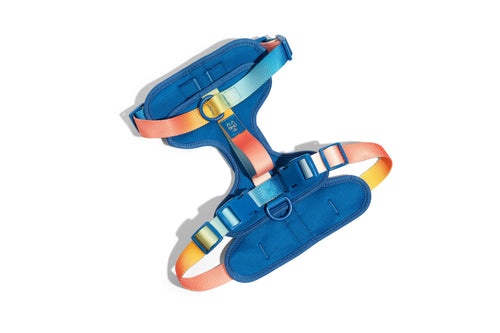
Choosing the perfect harness for your dog goes beyond aesthetics. It’s about ensuring comfort, safety, and control during walks or outings. A poorly fitted harness can cause discomfort or even injury, making it crucial to pick the right size. This article guides pet owners through the essential considerations when selecting a dog harness that fits perfectly, emphasizing the importance of size and fit for the well-being of your furry friend.
Why Size Matters
The size of a dog harness is critical for several reasons:
- Comfort: A harness that’s too tight can chafe or pinch, while one that’s too loose may slide around and cause friction burns.
- Safety: Proper fit ensures that your dog cannot slip out of the harness, reducing the risk of accidents.
- Control: A well-fitted harness gives you better control over your dog, which is crucial in crowded or high-traffic areas.
Steps to Measure Your Dog for a Harness
Accurate measurements are fundamental to selecting the correct harness size. Here’s how to do it:
1. Measure the Chest
Use a flexible tape measure to wrap around the broadest part of your dog’s chest, typically located just behind the front legs. Ensure the tape is snug but not tight.
2. Measure the Neck
Measure around the base of your dog’s neck, which is the thickest part. This measurement will help determine the neck opening size of the harness.
3. Consider the Dog’s Weight
Some harnesses also factor in the dog’s weight for size recommendations, so keep this in mind when choosing a harness.
Choosing the Right Type of Harness
Various types of harnesses cater to different needs. Consider the following options:
- Back-Clip Harness: Ideal for small to medium dogs, this type features a clip on the back, offering comfort and ease of use.
- Front-Clip Harness: Designed for dogs that pull, the front clip provides better control and helps train against pulling behavior.
- Dual-Clip Harness: These offer clips on both the front and back, providing flexibility and additional control.
Discover expert strategies here for selecting the ideal type of harness for your pet.
Adjusting the Harness for Optimal Fit
Once the harness is selected, proper adjustment is crucial:
- Check the Fit: Ensure that you can slip two fingers between the harness and your dog’s body.
- Adjust Straps: Use adjustable straps to achieve a snug fit without restricting movement.
- Observe Your Dog: Watch for signs of discomfort or irritation, as these may indicate an improper fit.
Learn about our tailored solutions for adjusting and fitting your dog’s harness here.
Conclusion
Selecting the right size harness is vital for your dog’s safety and comfort. By taking precise measurements and considering the type of harness that best suits your dog’s behavior, you can ensure a secure and enjoyable experience for both you and your pet. For more detailed guides on harness sizes and types, explore advanced guides and tips to keep your furry friend safe and happy on every adventure.