
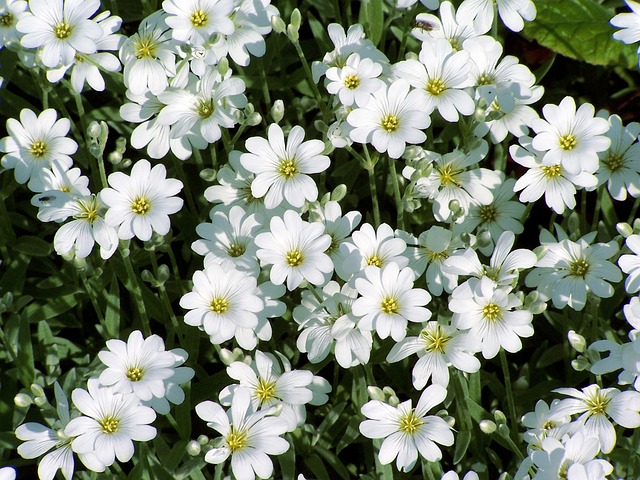
As the temperature rises and days become longer, gardens come alive with vibrant colors and fragrant blooms. Summer presents a unique opportunity for garden enthusiasts to cultivate a dynamic and lively display with a variety of seasonal flowers. Choosing the right flowers for a summer garden not only enhances the visual appeal but also ensures that the garden remains vibrant throughout the season. Selecting flowers that thrive in summer conditions can be an art in itself, requiring knowledge of plant characteristics and climate considerations. This guide delves into the best flower choices for summer gardens, providing insights into creating a stunning seasonal display.
Top Summer Flower Choices
When selecting flowers for a summer garden, it’s essential to consider their resilience to heat and sunlight. Here are some popular choices that are well-suited for summer:
- Sunflowers: Known for their large, cheerful blooms, sunflowers add a touch of sunshine to any garden. They thrive in full sun and are relatively easy to grow.
- Marigolds: These hardy flowers come in various shades of yellow, orange, and red, providing a bright splash of color. Marigolds are also known for their pest-repelling properties.
- Zinnias: Available in a range of colors, zinnias are drought-tolerant and perfect for adding diversity to garden color schemes.
- Lavender: Beyond its lovely purple hue, lavender offers a soothing fragrance and attracts pollinators like bees and butterflies.
- Petunias: These versatile flowers come in a wide array of colors and can be used in beds, borders, or containers.
For more ideas on seasonal color and bedding plants, discover expert strategies here.
Caring for Summer Blooms
Maintaining a summer garden involves more than just selecting the right flowers. Proper care ensures that these blooms remain healthy and vibrant throughout the season.
Watering Techniques
Summer flowers often require consistent watering, especially during dry spells. However, overwatering can lead to root rot. Here are some tips:
- Water early in the morning or late in the evening to minimize evaporation.
- Use a drip irrigation system to deliver water directly to the roots.
- Mulch around plants to retain moisture and reduce weed growth.
Fertilizing and Pest Control
Nutrient-rich soil is vital for the growth of summer flowers. Fertilizing should be done with care to avoid burning the plants:
- Use a balanced, slow-release fertilizer every four to six weeks.
- Monitor for pests like aphids and caterpillars, employing natural pest control methods when possible.
For detailed guidance on summer garden care, learn about our tailored solutions.
Designing a Summer Garden
Creating a visually appealing summer garden involves strategic planning and design. Consider the following factors:
Color Schemes
Coordinate flower colors to create harmony or contrast. Bold combinations can make a striking impression, while monochromatic schemes offer elegance and cohesion.
Garden Layout
Think about flower heights and growth habits when designing the layout:
- Place taller plants like sunflowers at the back or center of a garden bed.
- Use mid-sized blooms like zinnias and marigolds to fill in the middle.
- Front the garden with short plants like petunias for a layered effect.
For more information on designing a summer garden, explore advanced guides and tips.
Conclusion
Transforming a summer garden into a colorful masterpiece requires careful selection and maintenance of flowers that thrive in the season’s warmth. By understanding the unique needs of summer blooms and employing effective gardening strategies, any gardener can create a stunning, resilient outdoor space. Find out more about this approach to ensure a flourishing garden throughout the summer months.