
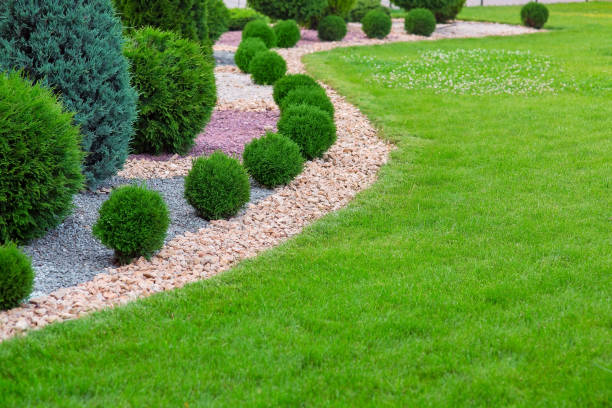
Dubai, a city renowned for its modern architecture and opulent lifestyle, is also famous for its unique ability to turn the arid desert into flourishing landscapes. With its challenging climate, characterized by high temperatures and scarce water, the implementation of artificial landscaping has become an innovative solution to create green spaces. This approach not only enhances the aesthetic appeal of urban areas but also offers a sustainable alternative to traditional landscaping methods. The integration of artificial landscaping in Dubai is a testament to the city’s commitment to innovation and environmental sustainability.
The Advantages of Artificial Landscaping
Artificial landscaping provides numerous benefits, particularly in regions with harsh climates like Dubai. Here are some of the key advantages:
- Water Conservation: With minimal water requirements, artificial landscaping significantly reduces water usage, making it an eco-friendly option.
- Low Maintenance: Unlike natural grass and plants, artificial landscapes do not require mowing, fertilizing, or regular upkeep, saving time and resources.
- Durability: High-quality artificial landscapes are designed to withstand extreme weather conditions, ensuring longevity and resilience.
- Consistent Aesthetic Appeal: Artificial landscapes maintain their vibrant appearance year-round, without the seasonal changes that affect natural greenery.
These benefits highlight why artificial landscaping in Dubai has become an attractive option for both residential and commercial properties.
Designing a Desert Oasis
Incorporating Native Elements
When designing an artificial landscape in a desert environment, incorporating elements that reflect the natural beauty of the region can enhance the overall aesthetic. This can include:
- Desert-Inspired Flora: Utilizing artificial plants that mimic native species such as succulents and cacti can create an authentic desert oasis.
- Rock Gardens: Incorporating a variety of stones and pebbles can add texture and visual interest to the landscape.
- Water Features: Although artificial, water features can bring a refreshing element to the design, symbolizing the rarity and value of water in desert climates.
Sustainable Practices
Incorporating sustainable practices in artificial landscaping not only benefits the environment but also enhances the long-term viability of the project. Key practices include:
- Solar Lighting: Utilizing solar-powered lighting systems can reduce energy consumption while illuminating the landscape beautifully.
- Recycled Materials: Opting for recycled or eco-friendly materials in the construction of pathways and structures can reduce the environmental impact.
Implementing Artificial Landscaping in Urban Settings
As urban areas continue to expand, the demand for green spaces within cities like Dubai has grown. Artificial landscaping offers a viable solution to integrate greenery into urban settings without the constraints of natural landscaping. Key considerations include:
- Space Optimization: Artificial landscaping can be tailored to fit various spaces, from small rooftop gardens to extensive public parks.
- Custom Design Solutions: Each project can be customized to meet specific aesthetic or functional requirements, ensuring that the landscape complements its surroundings.
Through these innovative approaches, artificial landscaping provides a practical and sustainable way to enhance urban environments, making it an integral part of modern urban planning.
Conclusion
In conclusion, the adoption of artificial landscaping in Dubai presents a groundbreaking solution to the challenges posed by the desert environment. By seamlessly blending aesthetic appeal with sustainability, artificial landscapes not only transform the urban landscape but also offer a glimpse into the future of eco-friendly urban living. Embracing this innovative approach ensures that Dubai continues to set the standard for architectural and environmental excellence.