
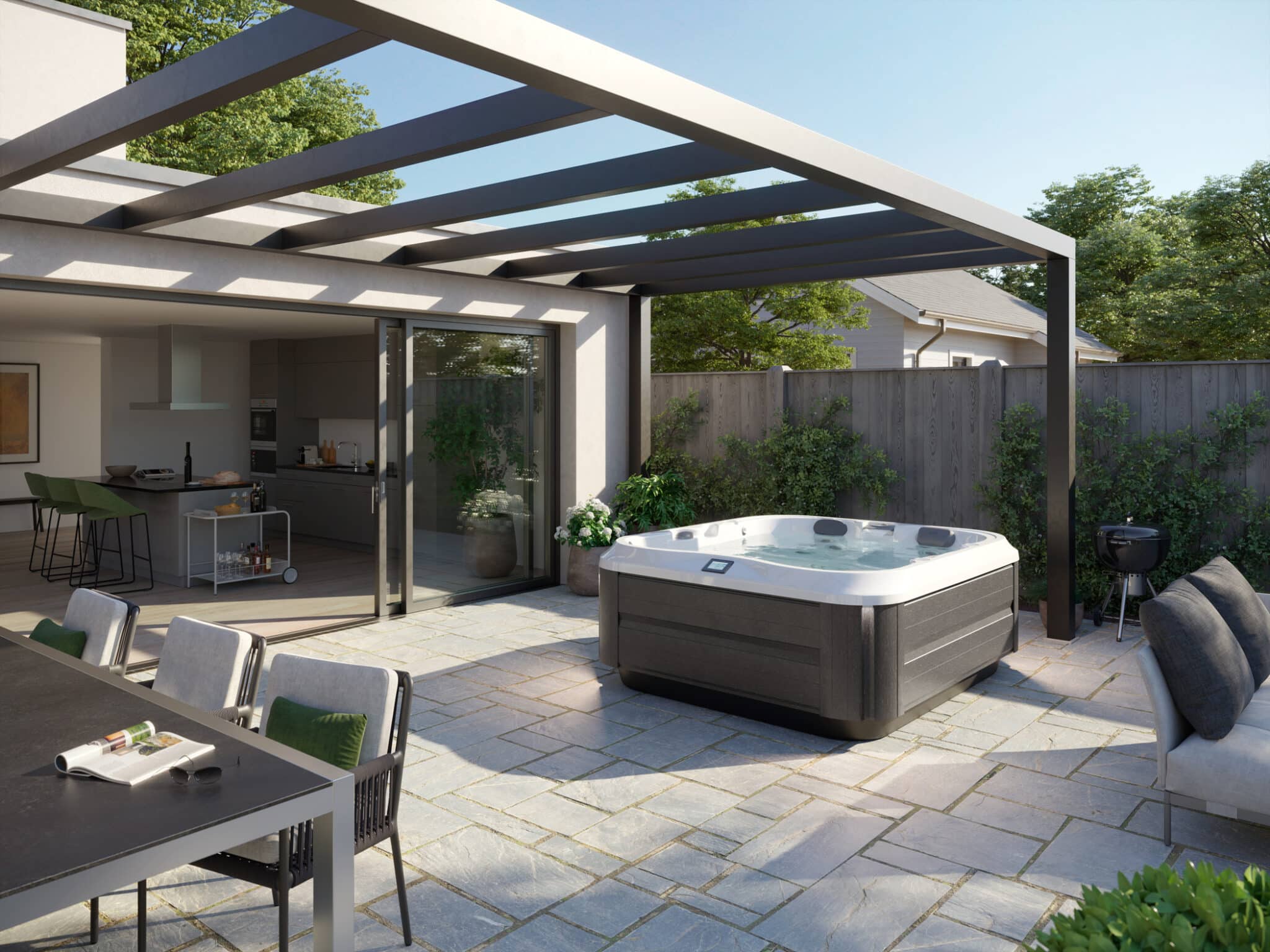
Creating a backyard oasis is an art that blends landscape design, comfort, and personal style. A luxury hot tub serves as the centerpiece of this sanctuary, offering therapeutic benefits, year-round usability, and a touch of elegance. For homeowners in Portland, where the climate varies from cool, misty winters to warm, sunny summers, selecting the right hot tub involves careful consideration of size, energy efficiency, material durability, and aesthetic integration with the surrounding garden. This guide outlines the essential factors to evaluate, design strategies to harmonize the tub with native landscaping, and practical tips for maintenance, ensuring the investment enhances both wellbeing and property value.
Key Considerations When Choosing a Luxury Hot Tub
Size and Capacity
- Determine the typical number of users; most luxury models accommodate 4-8 people comfortably.
- Measure the intended placement area, allowing at least 3-4 feet of clearance for safe entry and service access.
- Consider multi-level seating for varied posture options and enhanced relaxation.
Construction Materials
- Cabinets: Look for high-density acrylic or reinforced polymer shells that resist cracking in Portland’s fluctuating temperatures.
- Jets and Plumbing: Stainless steel or titanium components provide longevity and corrosion resistance.
- Insulation: Dual-layer foam or vacuum-sealed walls reduce heat loss, lowering energy costs.
Energy Efficiency
- Choose models with full-cover insulation blankets and programmable thermostats.
- Investigate solar-compatible options that can integrate with existing home solar panels.
- Check for ENERGY STAR certification or comparable efficiency ratings.
Features and Technology
- Adjustable jet patterns for hydrotherapy targeting specific muscle groups.
- LED lighting systems that can be synchronized with music or mood settings.
- Integrated sound systems, Wi-Fi control panels, and water purification technologies.
Designing the Backyard Oasis
Integrating with Portland’s Landscape
The Pacific Northwest is renowned for its lush, evergreen foliage and abundant rain. Selecting native plants and hardscapes that thrive in moist conditions can create a seamless transition between the hot tub and garden.
- Use shade-tolerant species such as Western red cedar, sword ferns, and Oregon grape as border plantings.
- Incorporate permeable pavers or river stone pathways to manage runoff while adding visual interest.
- Install a low-profile deck of composite material that resists rot and blends with natural tones.
Privacy and Ambiance
- Strategically place lattice screens, bamboo panels, or tall ornamental grasses to shield the tub from street view.
- Install dimmable uplighting or recessed deck lights to extend usability after dark.
- Consider a pergola or retractable canopy for weather protection and added architectural flair.
Water Management
Portland’s rain-rich climate requires thoughtful drainage solutions to prevent water pooling around the hot tub.
- Grade the surrounding area to direct excess water away from the tub’s base.
- Integrate a French drain or rain garden to capture runoff sustainably.
- Use a cover with a built-in drainage channel to keep rainwater from accumulating inside.
Installation Best Practices
- Hire licensed electricians and plumbers familiar with local building codes; proper wiring and grounding are critical for safety.
- Ensure a level, reinforced concrete slab or a sturdy deck footing that can support the tub’s weight when filled (often 5,000-7,000″?lb).
- Run a dedicated circuit with a GFCI breaker to protect against electrical faults.
- Plan for easy access to service panels for routine maintenance and future upgrades.
For a comprehensive overview of installation requirements, Read more about this topic.
Maintenance and Longevity
Routine Care
- Test water chemistry weekly; maintain pH between 7.2-7.6 and alkalinity at 80-120″?ppm.
- Replace filter cartridges every 3-6 months depending on usage.
- Drain and refill the tub annually to prevent mineral buildup.
Winter Preparation
Even though Portland’s winters are mild compared to northern states, freezing temperatures can still affect a hot tub.
- Keep the thermostat set above 68″???F to prevent pipe contraction.
- Use a high-quality insulated cover to retain heat and shield against snow.
- Consider a freeze-protection valve that automatically circulates water if temperatures drop below 32″???F.
Detailed seasonal maintenance steps can be found in this guide: Learn more in this detailed guide.
Enhancing the Experience
- Incorporate aromatherapy diffusers that release essential oils compatible with hot-water environments.
- Place waterproof Bluetooth speakers for a personalized soundscape.
- Use natural stone or teak side tables for holding drinks, towels, and spa accessories.
For additional design inspiration and accessory ideas, Explore further insights here.
Conclusion
Investing in a luxury hot tub transforms a backyard into a year-round retreat that aligns with Portland’s distinctive climate and natural beauty. By evaluating size, construction quality, energy efficiency, and integrating thoughtful landscape elements, homeowners can create a harmonious oasis that promotes relaxation, health, and aesthetic appeal. Proper installation, diligent maintenance, and strategic enhancements ensure the hot tub remains a valuable asset for years to come. For further resources, specifications, and expert advice, Find additional information here.