
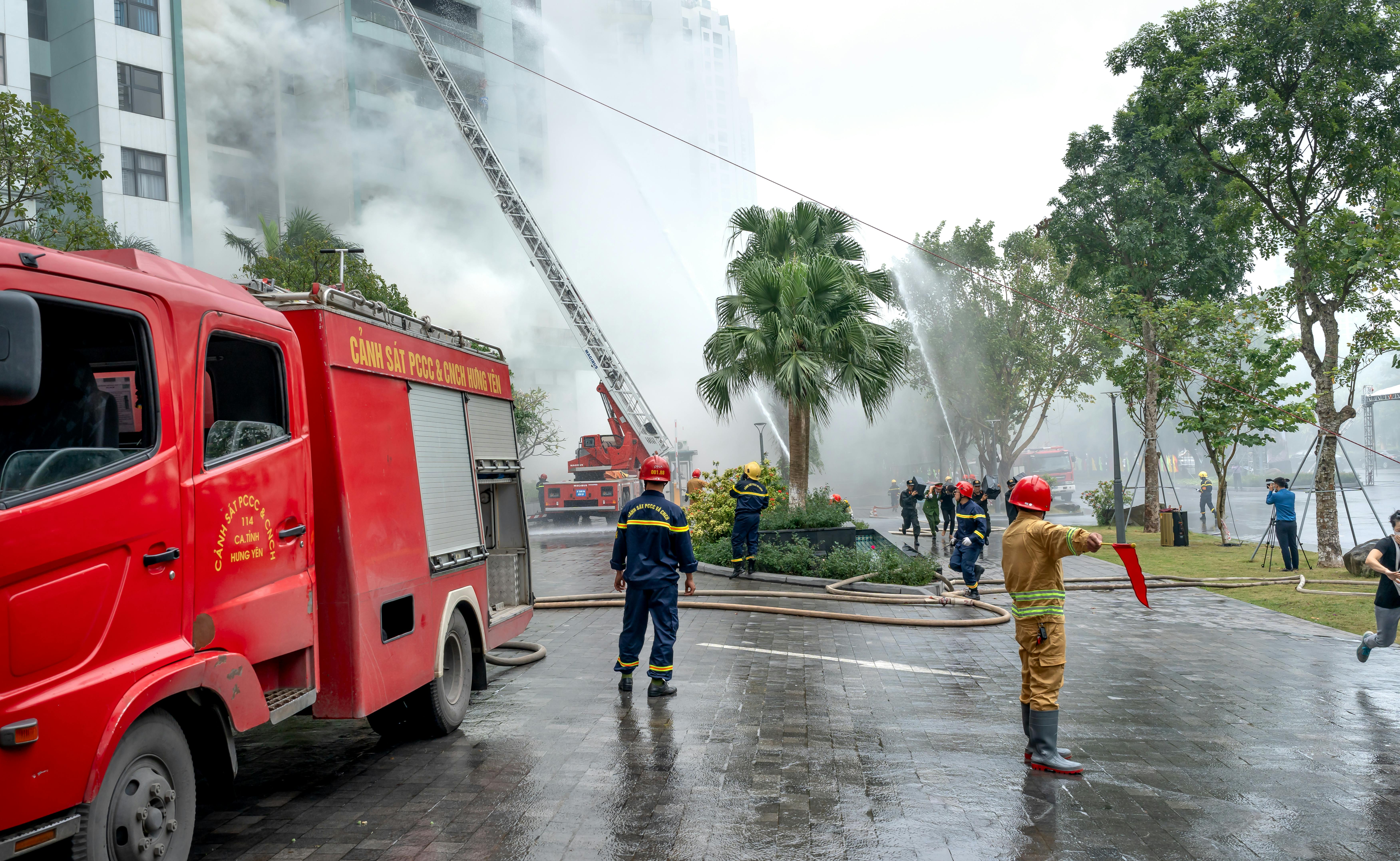
Fire engineering has become a cornerstone of modern building design, marrying safety requirements with architectural ambition. By integrating fire dynamics, risk assessment, and performance-based solutions early in the design process, projects achieve not only compliance with codes but also enhanced occupant protection and property resilience. This article explores the key services that fire engineers provide, how they influence design decisions, and the measurable benefits they bring to both new construction and retrofits.
Core Fire Engineering Services
Performance-Based Design
Traditional prescriptive codes specify minimum requirements, but performance-based design (PBD) allows engineers to demonstrate equivalent or superior safety through analysis and testing. This approach enables:
- Tailored fire protection systems that align with unique building geometries.
- Optimization of material selection to reduce fire load without compromising aesthetics.
- Flexibility in meeting sustainability targets while maintaining safety.
For a deeper understanding of how performance-based methods can be applied, Discover expert strategies here.
Fire Risk Assessment
A comprehensive fire risk assessment evaluates hazards, occupancy patterns, and evacuation routes. The process includes:
- Identifying potential ignition sources and combustible materials.
- Analyzing egress capacity and travel distances for all user groups.
- Recommending mitigation measures such as compartmentation, suppression systems, and detection technologies.
Guidelines for conducting thorough assessments are available to Learn about our tailored solutions.
Smoke Management and Ventilation
Effective smoke control is essential for preserving tenable conditions during a fire. Engineers design systems that:
- Limit smoke spread through pressurization of stairwells and refuge areas.
- Coordinate natural and mechanical ventilation to support safe evacuation.
- Integrate with fire alarm and detection systems for automated response.
Advanced techniques for smoke management can be Explore advanced guides and tips.
Integration with Architectural Design
Collaborative Design Process
Early collaboration between fire engineers, architects, and structural engineers ensures that safety measures are embedded rather than added later. Benefits include:
- Reduced redesign costs by addressing fire safety constraints at concept stage.
- Enhanced aesthetic outcomes through concealed sprinkler heads and integrated fire-rated glazing.
- Improved building performance scores in green certification programs.
Material and System Selection
Choosing fire-resistant materials and systems influences both safety and cost. Key considerations are:
- Fire rating of structural elements (e.g., concrete, steel, timber).
- Compatibility of firestop systems with architectural joints.
- Lifecycle maintenance requirements for suppression and detection equipment.
For guidance on selecting appropriate materials, Find out more about this approach.
Regulatory Compliance and Code Interpretation
Fire engineering services navigate complex national and local codes, such as NFPA, IBC, and regional amendments. Engineers provide:
- Interpretation of code intent versus literal text, allowing innovative solutions.
- Documentation packages that satisfy authority-having-jurisdiction (AHJ) reviews.
- Updates on emerging regulations affecting high-rise, mixed-use, and heritage buildings.
Technology-Driven Solutions
Computational Fluid Dynamics (CFD) Modeling
CFD simulations predict fire growth, smoke movement, and temperature distribution, enabling precise design of egress routes and suppression systems. Outcomes include:
- Quantified performance metrics for fire barriers and smoke vents.
- Visualization tools for stakeholder communication.
- Data-backed justification for alternative compliance paths.
Building Information Modeling (BIM) Integration
Embedding fire safety data within BIM models streamlines coordination across disciplines. Advantages are:
- Automatic clash detection between fire protection components and other building services.
- Real-time updates to fire strategy as design evolves.
- Facilitated handover of as-built information for facility management.
Economic Benefits of Optimized Fire Engineering
Investing in advanced fire engineering yields measurable financial returns:
- Lower insurance premiums due to demonstrated risk mitigation.
- Reduced construction waste by eliminating over-specification.
- Extended asset lifespan through protective design that limits fire damage.
Conclusion
Fire engineering services that prioritize performance, collaboration, and technology are essential for creating buildings that are both safe and architecturally expressive. By leveraging risk assessments, smoke management, and advanced modeling tools, designers can achieve compliance while optimizing cost and functionality. Continuous engagement with reputable resources, such as those offered at Discover expert strategies here., ensures that projects remain at the forefront of fire safety innovation.