
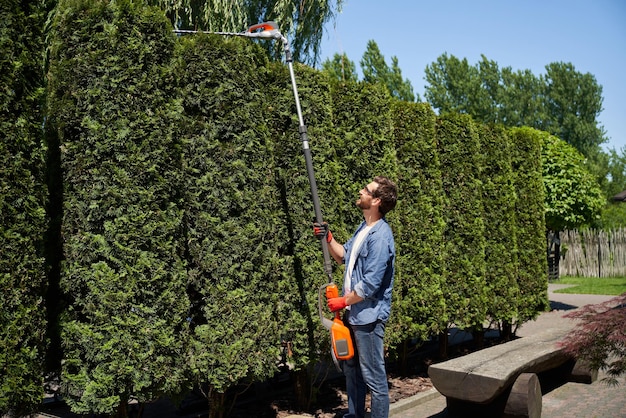
Maintaining a healthy, aesthetically pleasing yard begins with proper tree trimming. Whether the goal is to improve safety, boost curb appeal, or promote vigorous growth, finding reliable “tree trimming near me” solutions can be a daunting task. This guide breaks down the essential considerations, techniques, and seasonal timing that homeowners should know to achieve professional results without the guesswork.
Why Regular Tree Trimming Matters
Tree trimming is more than a cosmetic exercise; it plays a critical role in the overall health of the landscape. Key benefits include:
- Safety: Removing dead or overextended branches reduces the risk of falling limbs during storms.
- Health: Proper cuts eliminate diseased tissue, allowing the tree to allocate resources to new growth.
- Sunlight & Airflow: Thinning dense canopies improves light penetration and air circulation, which helps prevent fungal issues.
- Structural Integrity: Strategic pruning encourages a balanced shape, minimizing stress on the trunk and roots.
Assessing Your Yard’s Specific Needs
Every yard presents a unique set of challenges based on tree species, soil conditions, and local climate. Before selecting a service, evaluate the following factors:
Tree Species and Growth Patterns
- Deciduous vs. evergreen – each requires different pruning schedules.
- Fast-growing species (e.g., poplars) often need more frequent cuts.
- Heritage or ornamental trees may demand delicate handling to preserve form.
Location and Accessibility
- Proximity to power lines, sidewalks, or structures influences equipment choice.
- Compact urban yards may require low-impact tools to avoid property damage.
Regulatory Considerations
- Many municipalities enforce permits for pruning certain tree sizes.
- Check local ordinances to ensure compliance before any work begins.
Choosing the Right Tree Trimming Service
When searching for “tree trimming near me,” prioritize providers that demonstrate a blend of expertise, safety protocols, and transparent pricing. A reputable service will typically offer:
- Certified arborists with industry-recognized credentials.
- Insurance coverage that protects both the homeowner and the crew.
- Clear explanations of the pruning plan, including timing and expected outcomes.
For a deeper dive into professional standards, Discover expert strategies here. The resource outlines best practices that align with industry guidelines.
Seasonal Timing and Techniques
Timing is crucial for optimal results. Below is a quick reference for the most effective periods to trim common tree types:
| Tree Type | Best Pruning Season | Key Technique |
|---|---|---|
| Deciduous (maple, oak) | Late winter (dormant) | Heading cuts to shape crown |
| Evergreen (pine, spruce) | Early spring or after new growth | Selective thinning to maintain density |
| Fruit trees | Late winter before bud break | Spur pruning for fruit production |
In addition to seasonal timing, the choice of tools influences the quality of the cut. Sharp, clean blades reduce sap loss and promote faster wound closure. For homeowners who prefer a DIY approach, investing in a quality pole pruner or electric hedge trimmer can make a significant difference.
Safety Protocols Every Homeowner Should Follow
Even when hiring professionals, understanding basic safety measures helps protect both the property and the crew. Essential precautions include:
- Clearing the work area of toys, pets, and obstacles.
- Wearing protective gear: goggles, gloves, and sturdy footwear.
- Ensuring that all equipment is inspected for wear before use.
- Never attempting cuts above head height without proper ladders or lifts.
Cost Considerations and Value Assessment
Pricing for tree trimming varies based on height, trunk diameter, and complexity of the job. Typical cost ranges are:
- Small ornamental trees (under 30 ft): $150-$300
- Medium-size shade trees (30-50 ft): $300-$600
- Large mature trees (over 50 ft): $600-$1,200 or more
While price is a factor, value is measured by the longevity and health of the tree after service. A well-executed trim can prevent costly damage from falling limbs and reduce future maintenance needs.
Integrating Tree Trimming into a Comprehensive Yard Plan
Tree trimming should complement other landscaping activities such as lawn care, irrigation, and soil amendment. Coordinated scheduling ensures that each element receives attention at the optimal time, avoiding conflicts like watering immediately after a heavy prune, which can encourage disease.
For a holistic approach, Learn about our tailored solutions. The guide offers a step-by-step framework for integrating pruning with broader yard management.
Frequently Asked Questions
How often should trees be trimmed?
Most mature trees benefit from pruning every 3-5 years, while fast-growing species may need annual attention.
Is it ever too late to trim a tree?
While late-season pruning can stimulate unwanted growth, emergency removal of hazardous limbs is always advisable regardless of timing.
Can I trim my own trees safely?
Small, accessible trees can be pruned with hand tools, but anything above 20 ft or near power lines should be left to certified professionals.
Conclusion
Finding reliable “tree trimming near me” solutions involves understanding the specific needs of your yard, selecting qualified professionals, and adhering to seasonal best practices. By prioritizing safety, employing the right techniques, and integrating trimming into a broader maintenance plan, homeowners can ensure their trees remain healthy, safe, and visually appealing for years to come. For additional insights and step-by-step instructions, Explore advanced guides and tips.