
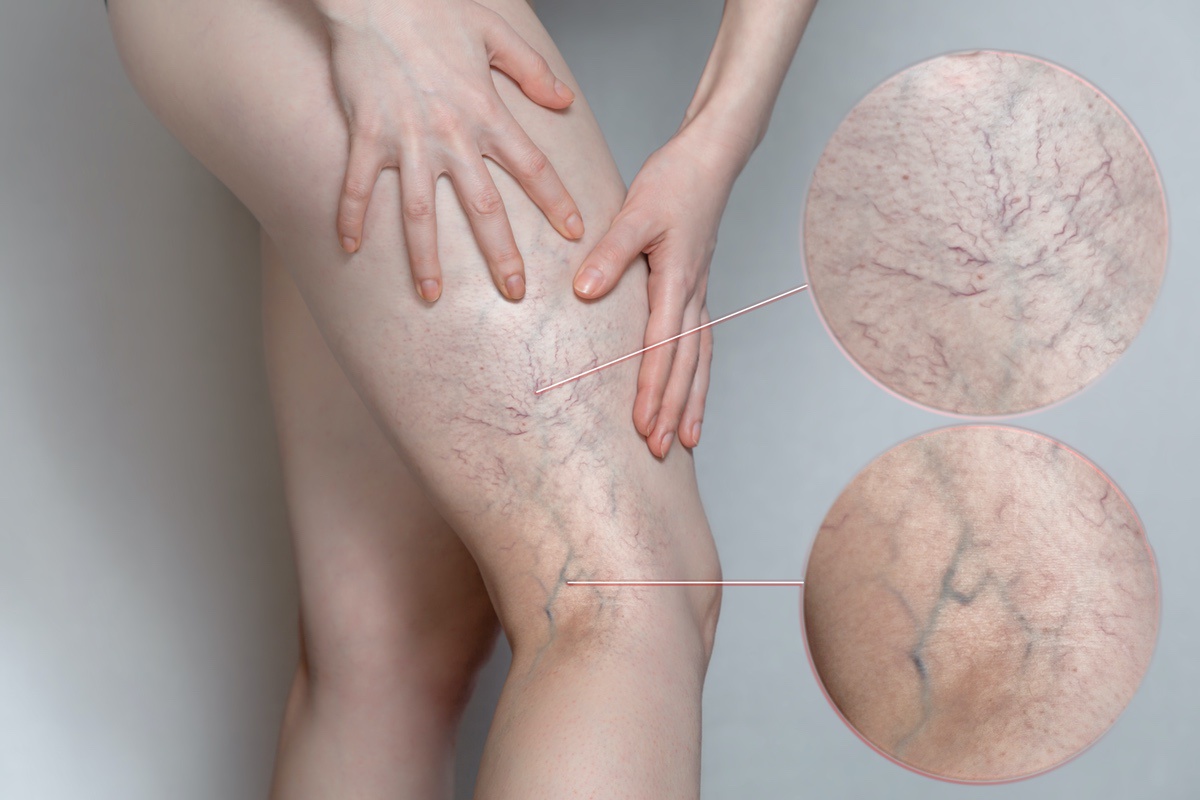
Spider veins, those small, discolored veins visible near the surface of the skin, can be a cosmetic concern for many individuals. They commonly appear on the legs and face and can sometimes cause discomfort. While they are often harmless, many seek treatment to improve the appearance of their skin. Understanding effective treatment options is crucial in making an informed decision about managing these veins.
Understanding Spider Veins
Spider veins, medically known as telangiectasias, are small, dilated blood vessels that can appear red, blue, or purple. They often form in a web-like pattern and are visible through the skin. Factors contributing to their development include:
- Genetics
- Hormonal changes
- Prolonged standing or sitting
- Sun exposure
- Certain medical conditions
While these veins are generally not harmful, they can sometimes indicate underlying venous issues, making it important to seek appropriate spider vein treatment when necessary.
Treatment Options
Sclerotherapy
Sclerotherapy is one of the most effective and common treatments for spider veins. It involves injecting a solution directly into the vein, causing it to scar and collapse. The blood reroutes through healthier veins, and the collapsed vein is reabsorbed into local tissue and fades over time. Benefits of sclerotherapy include:
- Minimally invasive procedure
- Quick recovery time
- Significant reduction in the appearance of spider veins
Patients often require multiple sessions for optimal results, and the procedure is typically performed in a clinical setting without the need for anesthesia.
Laser Treatment
Laser treatment is another popular option for treating spider veins, especially on the face. It uses focused light to generate heat and damage the vein, which causes it to collapse and eventually be absorbed by the body. Key aspects of laser treatment include:
- Non-invasive procedure
- Effective for surface-level veins
- Minimal side effects with proper care
This method is particularly beneficial for small, delicate areas, and multiple sessions may enhance the outcome.
Other Treatments
Additional treatments can complement sclerotherapy and laser treatment or serve as alternative options, such as:
- Compression stockings: Aid in improving circulation and reducing vein visibility.
- Radiofrequency ablation: Uses radio waves to heat and close off veins.
- Endovenous laser therapy: Similar to laser treatment but targets larger veins.
Each method offers unique advantages, and a healthcare professional can advise on the most suitable treatment based on individual circumstances and the severity of the spider veins.
Choosing the Right Treatment
Deciding on the most appropriate treatment involves considering factors such as vein location, severity, and personal preferences. It is essential to consult with a qualified healthcare provider who can assess the veins and recommend a tailored treatment plan. Additionally, adopting lifestyle changes such as regular exercise, maintaining a healthy weight, and avoiding prolonged periods of standing or sitting can help prevent the development of new spider veins.
Conclusion
Spider veins can be effectively managed with various treatment options, each offering unique benefits. By understanding these options and seeking professional advice, individuals can achieve desired cosmetic results while potentially improving overall venous health. Whether opting for spider vein treatment through sclerotherapy, laser therapy, or other methods, the journey toward healthier, clearer skin is well within reach.