
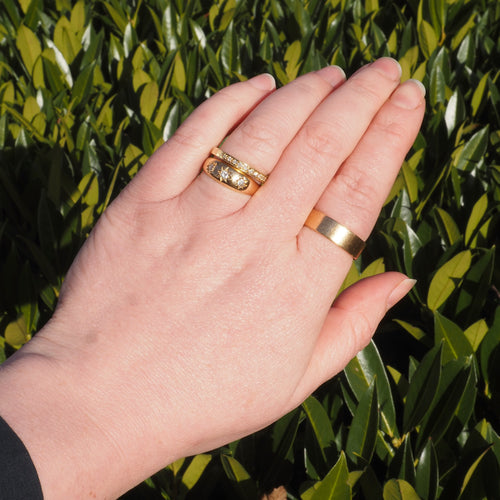
Art Deco jewelry, characterized by its bold geometric patterns and lavish aesthetic, emerged in the 1920s and 1930s as a response to the ornate and intricate styles of the preceding Art Nouveau period. Influenced by the rapid industrialization and technological advancements of the era, Art Deco jewelry reflects a modernist approach that combines elegance with functionality. The movement drew inspiration from various cultures, incorporating elements from Egyptian, African, and Asian art. This article explores the distinct styles and characteristics of Art Deco jewelry, highlighting its enduring appeal and timeless elegance.
The Origins of Art Deco Jewelry
The Art Deco movement began in France during the early 20th century and quickly spread internationally. It was characterized by a departure from the organic motifs and flowing lines of Art Nouveau, instead embracing symmetry and streamlined forms. Jewelry from this period often features:
- Geometric shapes and patterns
- Bold colors
- Simplified forms
- Use of new materials like Bakelite
The movement was largely a reflection of the social and cultural changes of the time, with an emphasis on progress and innovation. For more about the historical context of Art Deco, find additional information here.
Key Characteristics of Art Deco Jewelry
Geometric Designs
Art Deco jewelry is renowned for its reliance on geometric shapes, often featuring sharp angles and clean lines. Common motifs include:
- Triangles and chevrons
- Zigzags and sunbursts
- Rectangular and circular patterns
These designs provide a sense of order and symmetry, appealing to the modernist sensibilities of the time. Explore further insights here on the influence of geometry in Art Deco design.
Use of Exotic Materials
The Art Deco period saw the introduction of a variety of materials that were considered exotic at the time. Designers often incorporated:
- Lacquer
- Enamel
- Platinum
- Coral and onyx
This eclectic mix of materials was used to create striking contrasts, adding to the dramatic flair of the pieces. Learn more in this detailed guide about the materials that defined Art Deco jewelry.
Color and Contrast
Color played a significant role in Art Deco jewelry, with designers using vibrant gemstones and bold color combinations to create eye-catching pieces. Popular stones included:
- Emeralds
- Sapphires
- Rubies
- Topaz
The use of contrasting colors and materials was a hallmark of the Art Deco style, enhancing the visual impact of the jewelry. Read more about this topic to understand the role of color in Art Deco aesthetics.
The Enduring Legacy of Art Deco Jewelry
Art Deco jewelry remains highly sought after by collectors and enthusiasts alike, with its timeless appeal and distinctive style. The movement’s emphasis on bold design and innovative use of materials continues to inspire contemporary jewelry designers. The enduring popularity of Art Deco is a testament to its revolutionary impact on the world of jewelry design. For those interested in delving deeper into the world of Art Deco, explore further insights here.
In conclusion, Art Deco jewelry stands as a symbol of modernism and elegance, capturing the spirit of an era defined by change and progress. Its unique blend of geometric design, exotic materials, and vibrant colors ensures its place in the pantheon of iconic jewelry styles. As we continue to appreciate and draw inspiration from this remarkable movement, its influence is likely to endure for generations to come.