
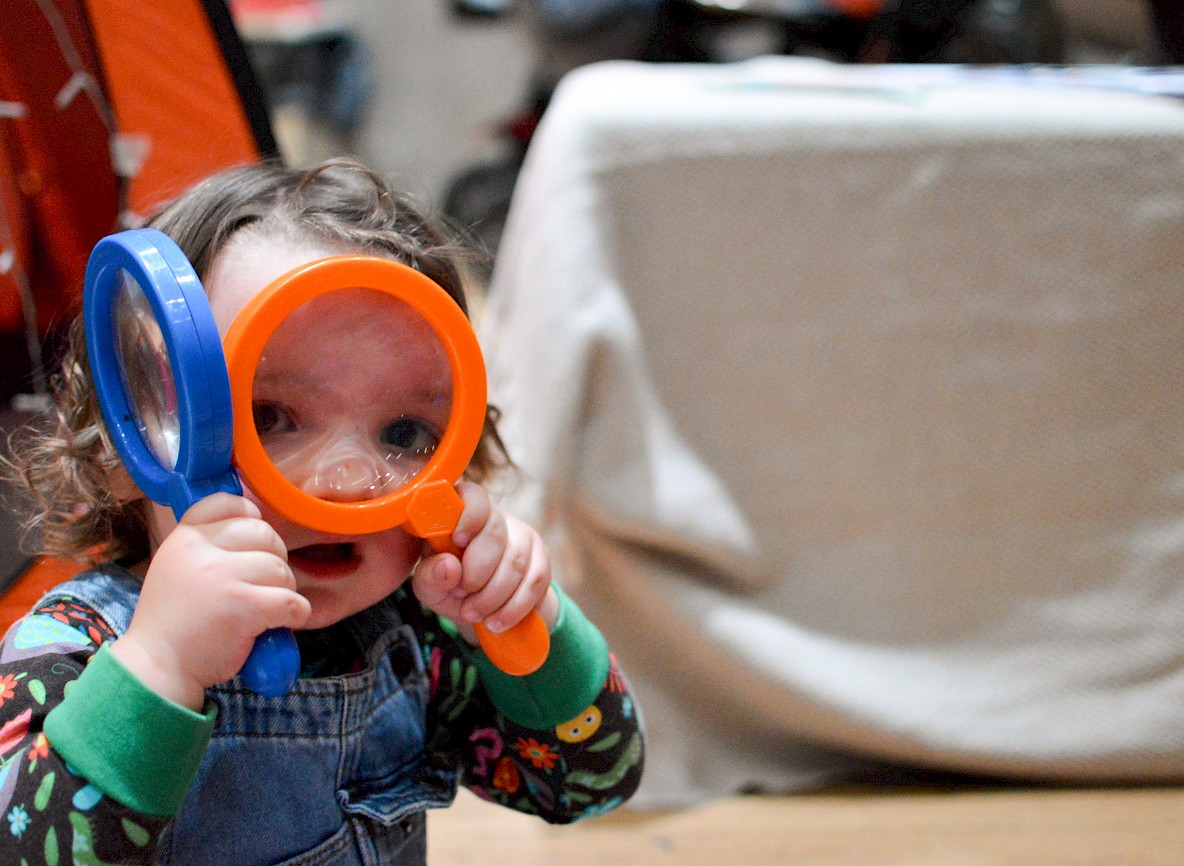
Sensory play is a crucial aspect of early childhood development, engaging a child’s senses to promote learning and growth. For infants and toddlers, this type of play is not just about having fun; it is foundational for cognitive, linguistic, social, emotional, and physical development. By exploring various textures, sounds, and sights, babies can enhance their ability to process and respond to information from the world around them. Through sensory play, children can also improve their motor skills and creativity, setting them up for success in future learning endeavors.
The Importance of Sensory Play
Sensory play provides a myriad of benefits for babies, supporting their overall development in several key areas:
- Cognitive Development: Engaging in sensory activities helps babies learn about the world through exploration and experimentation. This type of play encourages problem-solving and critical thinking.
- Language Skills: As babies interact with different textures and sounds, they often attempt to verbalize their experiences, enhancing their vocabulary and communication skills.
- Social and Emotional Growth: Sensory play can be a social activity, promoting interaction with peers and caregivers, which is essential for emotional development and learning to cooperate with others.
- Physical Development: Activities that involve touch and manipulation can refine fine and gross motor skills, aiding in the coordination and control of body movements.
Types of Sensory Play
There are various types of sensory play activities that can be integrated into a baby’s daily routine, each offering unique developmental benefits.
Visual and Auditory Activities
Visual and auditory sensory play helps babies develop their sight and hearing, which are crucial for communication and interaction. Examples include:
- Mobiles and Mirrors: Hanging mobiles with contrasting colors can captivate a baby’s attention, while mirrors allow them to explore reflections.
- Musical Toys: Instruments like rattles and drums encourage auditory exploration and rhythm recognition.
Discover expert strategies here for incorporating these elements into playtime effectively.
Tactile and Olfactory Activities
Tactile and olfactory activities foster a baby’s sense of touch and smell, which are vital for sensory integration.
- Texture Boxes: Fill a box with materials of varying textures such as sand, water beads, or fabric swatches for babies to explore with their hands.
- Scented Playdough: Introduce safe, scented playdough that engages both touch and smell, stimulating sensory perception.
Learn about our tailored solutions for enhancing these sensory experiences.
Creating a Sensory-Friendly Environment
Crafting a sensory-friendly environment is essential to maximize the benefits of sensory play. Consider the following tips:
- Safety First: Ensure that all materials are non-toxic and appropriate for the baby’s age to prevent choking hazards or allergic reactions.
- Variety and Balance: Provide a balance of stimulating and calming activities to avoid overwhelming the baby.
- Engagement: Be present and interactive, guiding the baby through their sensory journey while encouraging independence.
To explore advanced guides and tips on setting up a sensory-friendly environment, visit the recommended resources.
Conclusion
Sensory play is a fundamental component of early childhood development, offering significant benefits across cognitive, physical, social, and emotional domains. By incorporating diverse sensory activities into a baby’s routine, caregivers can support a child’s growth and set the stage for lifelong learning and development. To find out more about this approach, explore comprehensive resources and expert advice.