
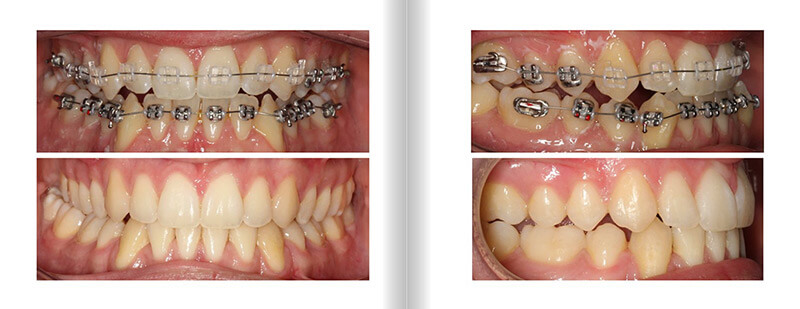
Orthodontic treatment is a significant step in ensuring long-term dental health, particularly for children. Braces are a common orthodontic solution used to correct misaligned teeth and bite issues. Understanding the timeline for how long children typically wear braces can help parents and guardians prepare for this dental journey. This article provides an in-depth look at the phases of wearing braces, the factors that influence treatment duration, and what parents and children can expect throughout the process.
Initial Consultation and Evaluation
Before any orthodontic treatment begins, an initial consultation with an orthodontist is essential. During this phase, a comprehensive evaluation is conducted to assess the dental condition of the child. This evaluation includes:
- Examination of dental history and current oral health.
- X-rays and photographs to get a detailed view of teeth alignment.
- Creating molds or digital scans of the teeth.
Based on this evaluation, the orthodontist will develop a personalized treatment plan. Read more about this topic.
Fitting the Braces
Once the treatment plan is established, the next step is fitting the braces. This usually involves:
- Placement of brackets on the teeth using a special adhesive.
- Threading of archwires through the brackets.
- Use of elastic bands to apply pressure and guide teeth into place.
Typically, this procedure is relatively quick, taking about one to two hours. Learn more in this detailed guide on what to expect during the fitting process.
Active Treatment Phase
The active treatment phase is when the braces are doing most of the corrective work. This phase can last anywhere from 18 months to 3 years, depending on various factors:
- Severity of the dental issues being corrected.
- Type of braces used (traditional metal, ceramic, lingual, etc.).
- Patient’s compliance with orthodontist’s instructions, such as wearing rubber bands or other appliances.
Regular check-ups are crucial during this period to adjust the braces and monitor progress. Explore further insights here.
Factors Influencing Treatment Duration
Several factors can impact how long a child will need to wear braces:
- Age: Younger children may experience faster treatment due to more malleable bones.
- Individual response to treatment: Some teeth move faster than others.
- Adherence to oral hygiene practices: Proper care can prevent delays in treatment.
Find additional information here on optimizing treatment duration.
Retention Phase
After the active phase, the retention phase begins. This involves wearing a retainer to ensure teeth remain in their new positions. The retention phase is crucial for maintaining the results achieved with braces:
- Retainers are typically worn full-time initially, then gradually reduced to nighttime use.
- The duration of the retention phase varies, but it often lasts several years.
Retention ensures that the hard work of braces is not undone over time. For more information, explore this guide.
Conclusion
In summary, the journey of wearing braces involves multiple phases, each with its own timeline and considerations. From the initial consultation to the retention phase, each step is crucial for achieving and maintaining the desired dental alignment. Understanding this timeline helps parents support their children throughout the process, ensuring a positive orthodontic experience. For a comprehensive overview and further details, parents are encouraged to consult with a qualified orthodontist and refer to available resources on kids’ braces.