
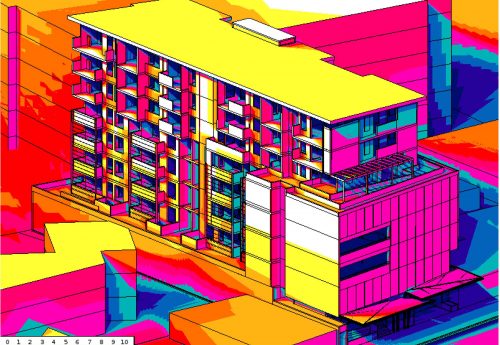
Incorporating visual impact assessment into planning processes is increasingly recognized as an essential component in sustainable development. This methodology helps planners evaluate how built environments, infrastructural developments, and landscape alterations affect the visual quality of the environment. By integrating visual impact assessments, planners can better predict and mitigate negative visual outcomes, ensuring that new projects harmonize with their surroundings and preserve the natural aesthetics of a location. This article explores the importance of visual impact assessments, how they are conducted, and their role in enhancing planning strategies.
Understanding Visual Impact Assessment
Visual impact assessment (VIA) is a systematic process used to evaluate the potential visual effects of a proposed development. It considers how changes in the physical landscape might alter visual experiences for viewers in and around the development area. Key elements of VIA include:
- Identifying sensitive viewpoints and visual receptors.
- Assessing the baseline visual conditions.
- Predicting how changes will alter the visual landscape.
- Proposing mitigation measures to minimize adverse impacts.
For further insights into visual impact assessment, explore further insights here.
The Role of Technology in Visual Impact Assessment
Advancements in technology have significantly enhanced the capabilities of visual impact assessments. Today, planners can utilize tools such as Geographic Information Systems (GIS), 3D modeling, and photorealistic simulations to create accurate representations of potential visual changes. These technologies offer several benefits:
- Increased accuracy and detail in visual simulations.
- Enhanced stakeholder engagement through immersive visualizations.
- Improved communication of complex data and concepts.
Read more about this topic by visiting this detailed guide.
Integrating Visual Impact Assessment in Planning Processes
Early Involvement in Project Planning
Incorporating VIA early in the planning stage allows for proactive identification of potential visual issues, enabling planners to adjust designs and siting alternatives to mitigate negative impacts. This approach helps in:
- Identifying potential conflicts with existing visual landscapes.
- Addressing community concerns regarding visual aesthetics.
- Ensuring compliance with environmental regulations and standards.
Learn more in this detailed guide to understand the importance of early VIA integration in planning.
Engaging Stakeholders and the Community
Effective visual impact assessments involve active engagement with stakeholders and the community. By incorporating public input, planners can better understand local visual preferences and cultural values, leading to more accepted and successful outcomes. This process often includes:
- Public consultations and workshops.
- Feedback mechanisms for local residents and stakeholders.
- Open discussions on mitigation strategies and design options.
Find additional information on involving communities in VIA at this source.
Challenges and Considerations
Despite the benefits, visual impact assessments come with challenges that must be addressed to ensure effective integration in planning. These include:
- Subjectivity in evaluating visual quality and aesthetics.
- Balancing development needs with preservation of visual resources.
- Ensuring accuracy and reliability of visual simulations.
To explore further insights into overcoming these challenges, explore further insights here.
Conclusion
Integrating visual impact assessment into planning processes is crucial for sustainable development and maintaining the visual integrity of landscapes. By leveraging advanced technologies and engaging with stakeholders, planners can ensure that new developments are visually compatible with their surroundings, preserving the aesthetic and cultural values of communities. As urbanization and infrastructure projects continue to expand, the role of VIA becomes increasingly vital in shaping visually pleasing and environmentally responsible built environments.