
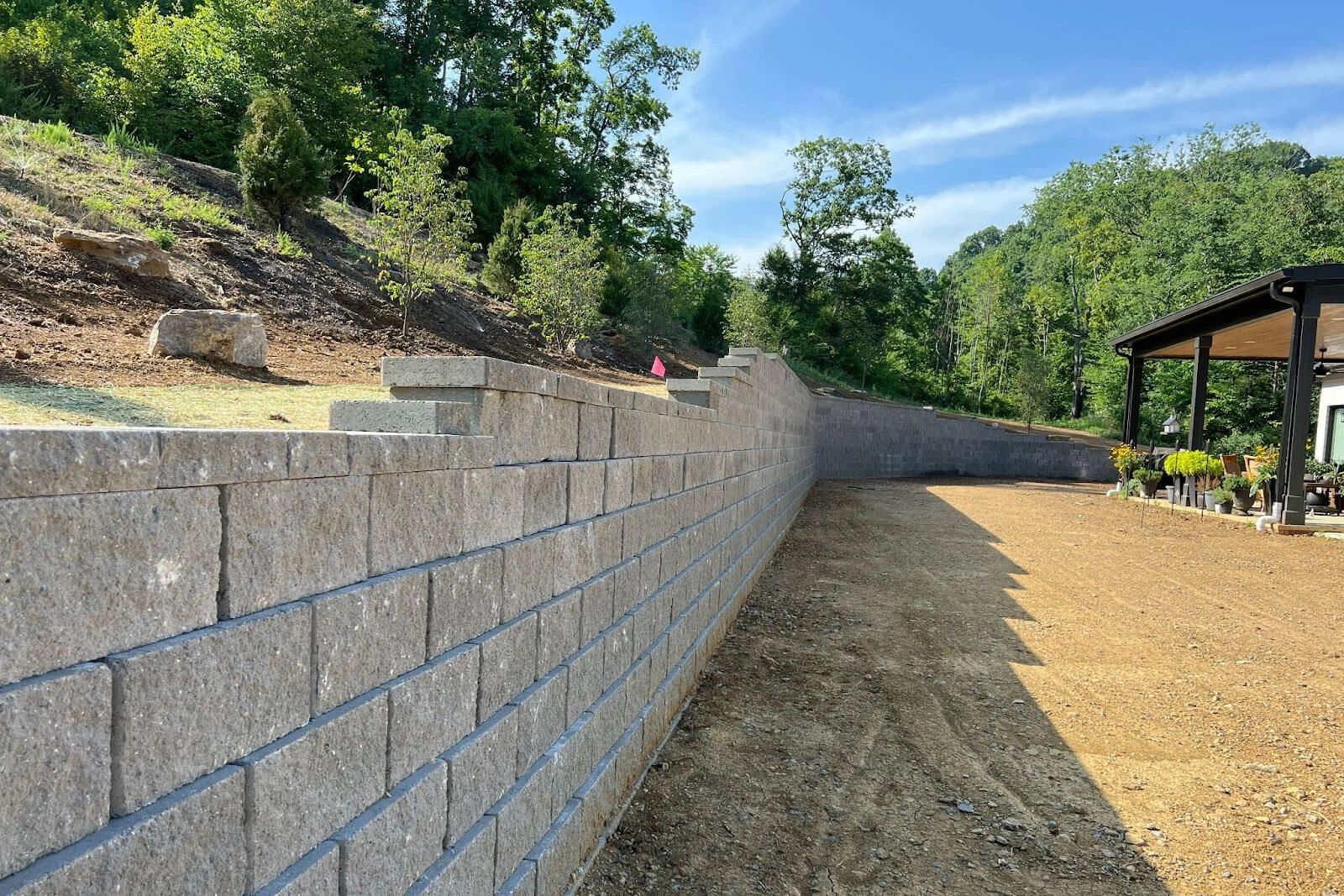
In the realm of landscaping and structural engineering, retaining walls play a pivotal role in managing soil erosion, water drainage, and creating level areas in sloped landscapes. Mastering the art of retaining wall installation is essential for ensuring the longevity and functionality of these structures. This article delves into the critical aspects of constructing retaining walls, offering insights into the materials, techniques, and considerations necessary for a successful project.
Understanding Retaining Walls
Retaining walls are structures designed to restrain soil to a slope that would not naturally be stable. They are used to bound soils between two different elevations, often in areas of terrain possessing undesirable slopes or in areas where the landscape needs to be shaped severely.
Types of Retaining Walls
- Gravity Walls: Rely on their mass for stability.
- Cantilevered Walls: Made from reinforced concrete or masonry, utilizing leverage to maintain stability.
- Sheet Piling Walls: Suitable for soft soils and tight spaces, where space is limited.
- Anchored Walls: Used in situations with high loads, these walls are anchored by cables driven into the soil or rock.
Materials for Retaining Walls
Choosing the right material is crucial for the efficiency and durability of a retaining wall. Common materials include:
- Concrete: Offers great strength and can be cast in a variety of forms.
- Stone: Provides a natural look, with excellent durability.
- Brick: Offers a classic appearance, suitable for formal landscapes.
- Timber: Economical and easy to install, though less durable over time.
Each material has its pros and cons that need to be considered in relation to the specific site conditions and aesthetic preferences.
Steps to Install a Retaining Wall
The installation of a retaining wall involves several crucial steps that must be meticulously followed to ensure structural integrity:
- Planning and Design: Assess the site, determine the purpose of the wall, and design accordingly to suit the landscape and environmental conditions.
- Excavation: Remove soil from the area where the wall will be constructed, ensuring a solid foundation.
- Foundation Preparation: Lay a solid base, typically gravel, to provide stability and drainage.
- Wall Construction: Build the wall layer by layer, ensuring each level is properly aligned and secured.
- Backfilling: Carefully fill the area behind the wall with gravel or soil, ensuring proper compaction.
- Drainage Installation: Integrate drainage solutions to prevent water buildup and pressure on the wall.
Considerations for Effective Retaining Wall Installation
When undertaking a retaining wall installation, consider the following factors to ensure success:
- Soil Conditions: The type and stability of soil can significantly influence the design and materials used for the wall.
- Water Management: Implementing proper drainage is essential to prevent water pressure from compromising the wall?s integrity.
- Building Codes and Regulations: Adhere to local regulations regarding height and construction standards.
- Environmental Impact: Consider the ecological implications and potential impact on surrounding areas.
Mastering the installation of retaining walls requires a blend of technical knowledge, practical skills, and an understanding of the natural landscape. By adhering to best practices and considering site-specific challenges, one can achieve a durable and aesthetically pleasing retaining wall that enhances both function and form.