
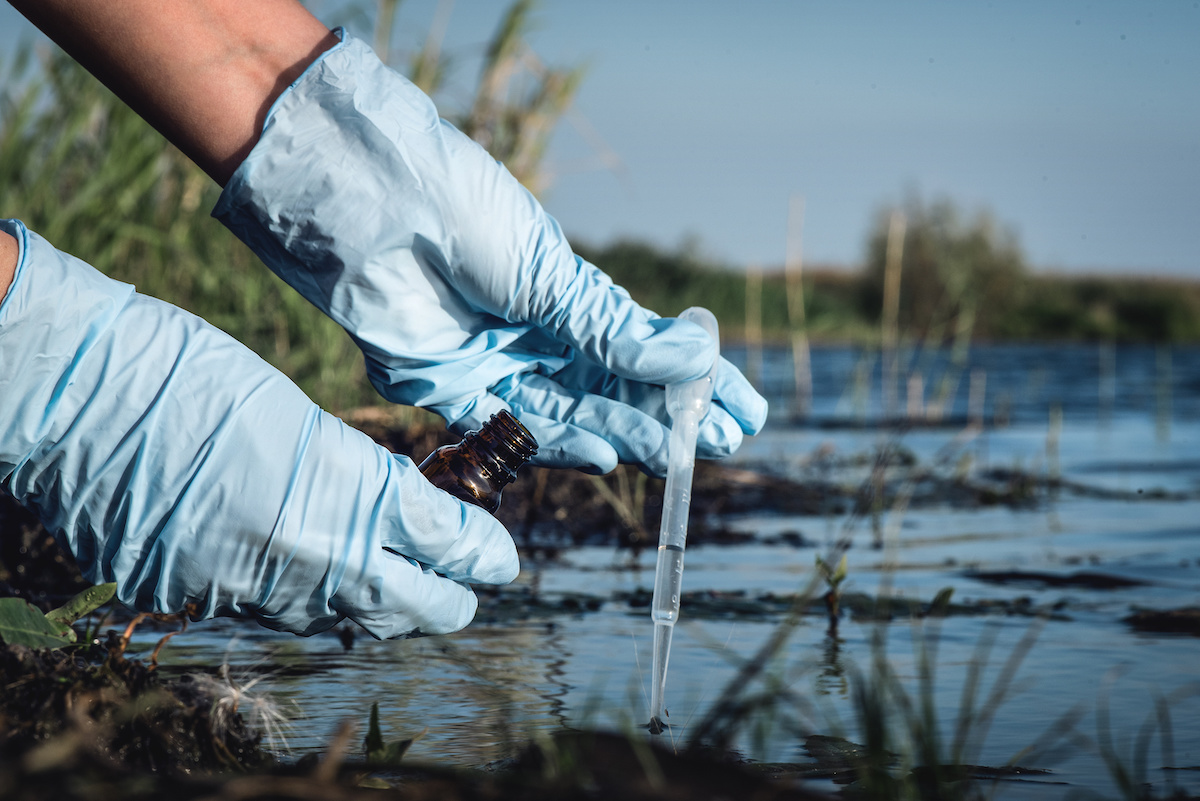
Water quality testing has become an indispensable aspect of environmental monitoring and public health assurance. As water is a critical resource for daily life, agriculture, industry, and ecological balance, ensuring its quality is paramount. Regular water quality testing helps detect pollutants, maintain compliance with health standards, and prevent potential health hazards. This article delves into the significance of regular water quality assessments, illustrating how they contribute to a sustainable and health-conscious society.
Understanding Water Quality Testing
Water quality testing involves the analysis of water samples to assess the physical, chemical, and biological characteristics of the water. The aim is to ensure that water is safe for consumption and use in various applications. Here are some key components of water quality testing:
- Physical Tests: Evaluate the appearance, temperature, and turbidity of water.
- Chemical Tests: Identify the presence of dissolved substances such as pH, chlorine, nitrates, and heavy metals.
- Biological Tests: Detect bacteria, algae, and other microorganisms.
To discover expert strategies for conducting comprehensive water testing, visit this link.
The Benefits of Regular Water Testing
Health and Safety
Ensuring the safety and purity of drinking water is crucial for preventing waterborne diseases. Regular testing helps:
- Identify harmful contaminants such as lead, E. coli, and pesticides.
- Prevent outbreaks of diseases caused by contaminated water.
- Ensure compliance with health and safety regulations.
Find out more about this approach to safeguarding public health here.
Environmental Protection
Regular water testing is essential for maintaining ecological balance in natural water bodies. It helps in:
- Monitoring the impact of industrial discharges and agricultural runoff.
- Protecting aquatic life from toxic substances.
- Preserving biodiversity in lakes, rivers, and oceans.
To explore advanced guides and tips on environmental conservation through water testing, click here.
Applications of Water Quality Testing
Domestic and Municipal Use
Water utilities regularly test water to ensure it is safe for consumption and household use. Regular testing helps:
- Maintain a safe supply of drinking water.
- Monitor and manage water treatment processes.
- Identify aging infrastructure that may contribute to contamination.
Learn about our tailored solutions for domestic and municipal water testing here.
Industrial Applications
Industries use water quality testing to ensure compliance with environmental regulations and to optimize processes. Key benefits include:
- Reducing water treatment costs by identifying and mitigating pollution sources.
- Ensuring compliance with discharge permits and environmental standards.
- Improving product quality and operational efficiency.
To understand more about industrial water quality strategies, explore this resource.
Conclusion
Regular water quality testing is a proactive measure that safeguards health, protects the environment, and supports various applications across sectors. By incorporating comprehensive testing protocols, stakeholders can ensure the safety, purity, and sustainability of water resources. As water quality challenges evolve, embracing advanced testing techniques and solutions becomes essential for a healthier future. To delve deeper into effective water quality management, discover expert strategies here.