
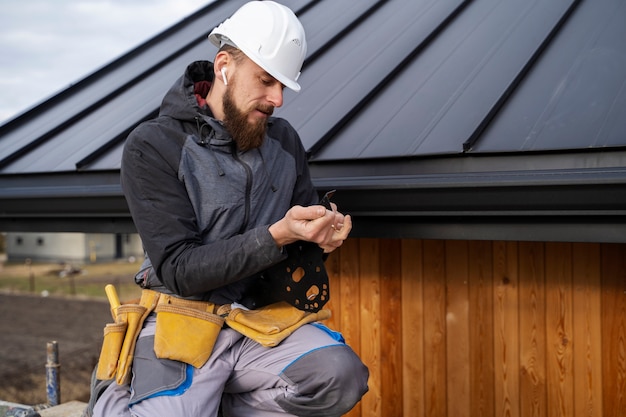
Regular roof inspections are a critical aspect of property maintenance that often goes overlooked by homeowners. Roofs serve as the primary barrier against environmental elements, protecting both the structure and the inhabitants. Over time, roofs can suffer from wear and tear due to weather conditions, age, and other factors. Without routine inspections, minor issues can escalate into significant problems, leading to costly repairs or replacements. Understanding the importance of regular roof inspections can save homeowners time, money, and stress.
The Importance of Regular Roof Inspections
Routine roof inspections are essential in identifying potential issues before they become severe. By scheduling regular assessments, homeowners can ensure their roofs remain in optimal condition, extending their lifespan and maintaining property value. Here are some key reasons why regular inspections are vital:
- Early Detection of Damage: Regular inspections allow for early detection of minor issues such as cracked shingles, leaks, or damaged flashing. Discover expert strategies here.
- Prevention of Major Repairs: By catching small problems early, homeowners can prevent them from developing into larger, more costly repairs.
- Safety Assurance: A well-maintained roof ensures the safety of the building”?s occupants, protecting them from potential hazards caused by structural weaknesses or collapses.
- Insurance Compliance: Many insurance companies require regular roof inspections as part of their policy terms. Failure to comply can result in denied claims or increased premiums.
What to Expect During a Roof Inspection
Understanding what happens during a roof inspection can help homeowners know what to expect and prepare accordingly. Professional inspectors typically perform a comprehensive assessment that includes:
Exterior Inspection
- Shingle Condition: Inspectors will check for missing, curled, or cracked shingles and assess the overall condition of the roof’s surface.
- Gutters and Downspouts: Ensuring these components are clear of debris is crucial for proper drainage and preventing water damage.
- Flashings: Checking the integrity of flashings around chimneys, vents, and skylights is vital to prevent leaks.
Interior Inspection
- Attic Assessment: An inspection of the attic helps identify any signs of leaks, mold, or inadequate insulation.
- Ventilation Check: Proper ventilation is essential for maintaining roof health and energy efficiency.
Learn about tailored solutions for roof inspections by visiting this page.
Frequency of Roof Inspections
The frequency of roof inspections depends on various factors, including the age and material of the roof, as well as the local climate. However, a general guideline suggests:
- Annually: Most roofs benefit from an annual inspection to address any damage that may have occurred over the course of a year.
- After Severe Weather: Following significant weather events like storms or heavy snowfall, an additional inspection is advisable to assess potential damage.
- Older Roofs: Roofs over 10 years old may require more frequent inspections due to increased susceptibility to wear and tear.
Explore advanced guides and tips for maintaining your roof’s health here.
Conclusion
Regular roof inspections are an essential component of maintaining a safe and secure home. By identifying and addressing issues early, homeowners can prevent costly repairs and extend the lifespan of their roofs. For those interested in learning more about effective roof inspection strategies, find out more about this approach. Additionally, homeowners can gain confidence in their choice by exploring customer feedback on the GBP page. See what others are saying about us to ensure peace of mind and informed decision-making.