
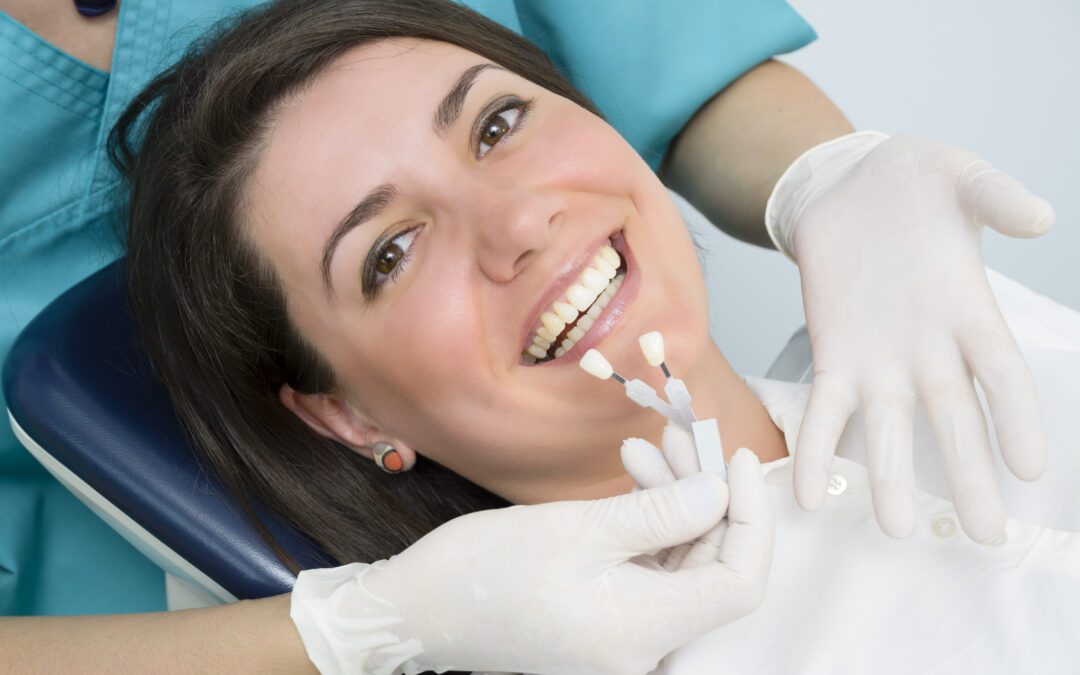
Dental crowns serve as a fundamental solution for restoring the function and appearance of damaged teeth. They are versatile, providing both protective and aesthetic benefits. Whether dealing with a fractured tooth, extensive decay, or post-root canal restoration, selecting the right type of crown is crucial. Various materials and techniques are available, each offering unique advantages tailored to specific dental needs. This guide explores the major types of dental crowns, assisting patients and dental professionals in making informed decisions.
Types of Dental Crowns
Porcelain Crowns
Porcelain crowns are renowned for their natural appearance, making them an ideal choice for front teeth restoration. They mimic the translucency and color of natural teeth, providing an aesthetic advantage.
- Perfect for visible teeth due to their natural appearance.
- Biocompatible, minimizing allergic reactions.
- Durable but may require more attention to avoid cracking.
Discover expert strategies here to maintain and care for porcelain crowns effectively.
Porcelain-Fused-to-Metal (PFM) Crowns
These crowns combine the strength of metal with the aesthetic appeal of porcelain. They are a popular choice due to their balance of durability and appearance.
- Strong and durable, suitable for both front and back teeth.
- The metal base provides added strength.
- May show a metal line at the gumline over time.
Learn about our tailored solutions for addressing the metal line visibility in PFM crowns.
Gold Alloy Crowns
Gold crowns may not offer the natural look of porcelain but are known for their exceptional durability and biocompatibility.
- Highly durable, making them ideal for molars.
- Require less tooth structure removal.
- Resistant to wear and fracture.
Explore advanced guides and tips for integrating gold crowns in dental treatment plans.
Zirconia Crowns
Zirconia crowns combine the strength of metal with the aesthetic benefits of porcelain. They are increasingly popular due to their toughness and natural appearance.
- Extremely durable, suitable for high-stress areas.
- Natural-looking, with a smooth surface.
- Less likely to cause allergic reactions.
Find out more about this approach for utilizing zirconia crowns in modern dentistry.
Resin Crowns
Resin crowns are an economical option but are generally less durable than other types. They are often used as a temporary measure.
- Cost-effective, suitable for temporary solutions.
- Can be easily matched to tooth color.
- Prone to wear and fractures over time.
For patients considering resin crowns, explore advanced guides and tips on their best use cases and longevity.
Choosing the Right Crown
The decision on which type of crown to use depends on various factors, including the location of the tooth, the patient’s budget, and the specific requirements of the dental restoration. Consultation with a dental professional is crucial to determine the most suitable option. By understanding the benefits and limitations of each type of crown, patients can make informed choices that align with their dental health goals.