
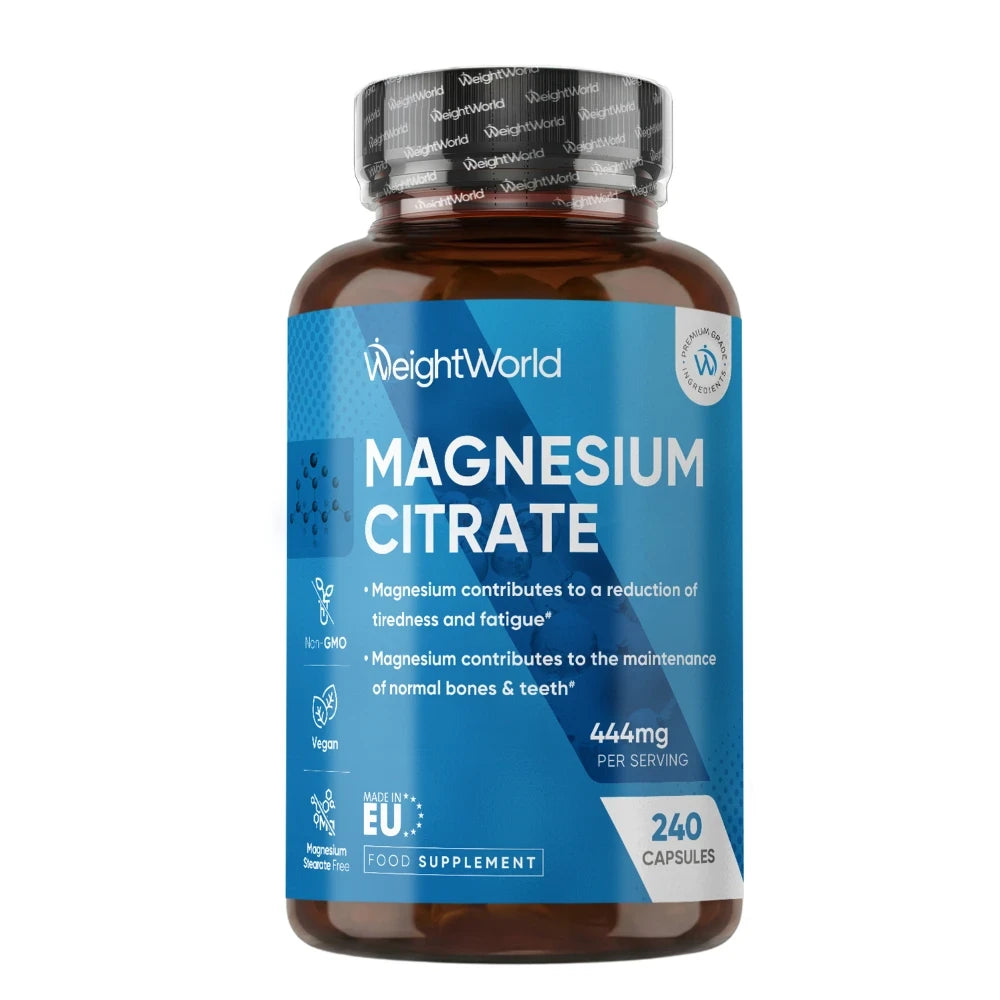
Muscle recovery is a critical component of any training regimen, yet it is often overlooked in favor of performance-boosting tactics. While protein, rest, and proper stretching receive most of the attention, the role of micronutrients, particularly magnesium, can be decisive in how quickly and efficiently muscles repair themselves. Magnesium participates in more than 300 enzymatic reactions, many of which are directly linked to muscle contraction, energy production, and inflammation control. Understanding why a high-quality magnesium supplement can be a game-changer helps athletes and fitness enthusiasts make informed decisions that support long-term progress and overall well-being.
How Magnesium Supports Muscle Function
Magnesium’s influence on muscle health can be broken down into three primary mechanisms:
1. Energy Production
- Acts as a co-factor for ATP synthesis, the primary energy currency used during contraction.
- Facilitates the conversion of glucose into usable energy, reducing fatigue during high-intensity workouts.
2. Muscle Contraction and Relaxation
- Regulates calcium flow in muscle cells, ensuring a balanced contraction-relaxation cycle.
- Prevents excessive calcium buildup, which can lead to muscle cramps and spasms.
3. Inflammation and Oxidative Stress
- Supports antioxidant enzymes such as glutathione peroxidase, limiting oxidative damage post-exercise.
- Reduces inflammatory cytokine production, speeding up the repair of micro-tears in muscle fibers.
Signs You Might Need More Magnesium
Even with a balanced diet, many individuals fall short of the recommended magnesium intake. Look for these common indicators that supplementation could be beneficial:
- Frequent muscle cramps or twitches, especially after workouts.
- Persistent fatigue or a feeling of “heavy legs” during training.
- Difficulty falling asleep or staying asleep, as magnesium aids in relaxation.
- Elevated resting heart rate or irregular heartbeats during recovery periods.
Choosing the Right Magnesium Supplement
Not all magnesium products are created equal. The bioavailability of the compound determines how effectively the body can absorb and use the mineral. When selecting a supplement, consider the following factors:
- Form: Magnesium citrate, glycinate, and malate are among the most absorbable forms.
- Dosage: Typical daily recommendations range from 300-400″?mg for adults, but individual needs vary based on activity level and diet.
- Purity: Look for products free from unnecessary fillers, artificial colors, or allergens.
- Third-party testing: Certification ensures the label accurately reflects the content.
Integrating a reputable magnesium supplement into a post-workout routine can fill dietary gaps and provide the consistent supply needed for optimal recovery.
How to Incorporate Magnesium Into Your Recovery Protocol
Timing and synergy with other nutrients enhance magnesium’s effectiveness:
- Post-Workout Timing: Take magnesium within 30-60 minutes after training to capitalize on the body’s heightened nutrient uptake.
- Combine with Vitamin D and K2: These vitamins work together to improve magnesium absorption and support bone health.
- Stay Hydrated: Adequate water intake helps transport magnesium to muscle cells.
- Pair with Protein: A protein-rich snack alongside magnesium can aid in muscle protein synthesis.
Potential Side Effects and Safety Considerations
When taken within recommended limits, magnesium is generally safe. However, excessive intake may cause:
- Loose stools or gastrointestinal discomfort.
- Temporary low blood pressure in sensitive individuals.
Individuals with kidney disorders or those on certain medications (e.g., diuretics, antibiotics) should consult a healthcare professional before adding a supplement.
Conclusion
Magnesium’s multifaceted role, from fueling ATP production to moderating inflammation, makes it an indispensable ally for anyone serious about muscle recovery. By recognizing the signs of deficiency, selecting a high-quality supplement, and integrating it thoughtfully into a post-exercise routine, athletes can reduce recovery time, minimize cramping, and sustain performance gains. Incorporating magnesium is not a trend; it is a science-backed strategy that aligns with the fundamentals of effective training and long-term health.