
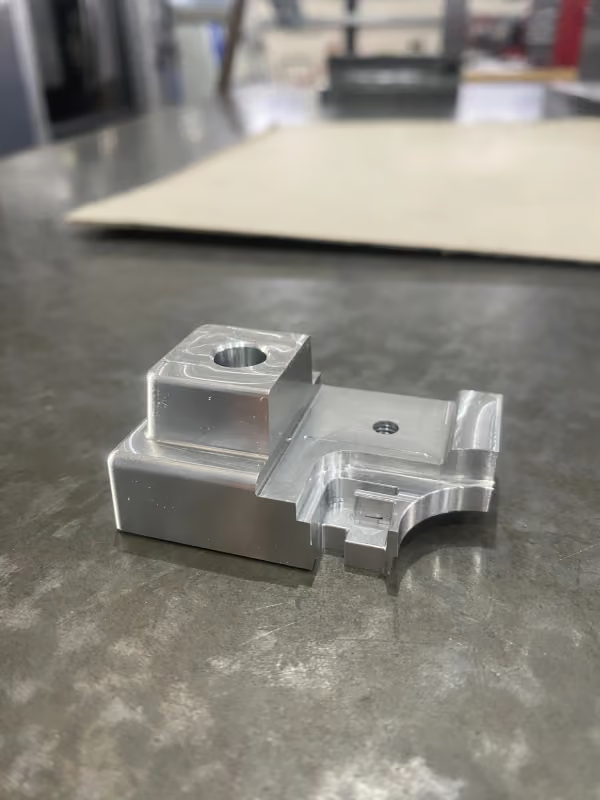
Custom moulding services play a pivotal role in manufacturing, offering bespoke solutions tailored to meet the unique requirements of various industries. These services are indispensable for producing parts and components that adhere to specific design and functionality standards. However, achieving success in custom moulding requires a combination of expertise, precision, and strategic planning. This article delves into expert tips that can enhance the effectiveness of custom moulding services, ensuring optimal results and customer satisfaction.
Understanding the Basics of Custom Moulding
Before delving into advanced strategies, it’s essential to grasp the fundamental concepts of custom moulding. This involves understanding the different types of moulding processes such as injection moulding, blow moulding, and compression moulding. Each process has its unique advantages and applications.
- Injection Moulding: Ideal for producing high-volume, low-cost plastic parts.
- Blow Moulding: Used for creating hollow plastic products like bottles and containers.
- Compression Moulding: Suitable for large, fairly intricate parts, often used with thermosetting plastics.
To delve deeper into these processes, read more about this topic.
Key Considerations for Successful Custom Moulding
Material Selection
Choosing the right material is crucial for the success of a custom moulding project. The material should align with the product’s intended use, durability requirements, and budget constraints.
- Understand Material Properties: Consider factors such as strength, flexibility, and resistance to environmental conditions.
- Cost-Effectiveness: Balance quality with cost to ensure the project remains within budget.
- Sustainability: Select materials that are eco-friendly and comply with regulatory standards.
For more detailed guidance, learn more in this detailed guide.
Design Optimization
Effective design is at the heart of successful custom moulding. It influences not only the aesthetics but also the functionality and manufacturability of the product.
- Simplify Design: Avoid complex designs that may increase production time and costs.
- Use CAD Software: Leverage computer-aided design tools to enhance accuracy and precision.
- Prototype Testing: Conduct thorough testing of prototypes to identify potential issues early in the process.
Explore further insights here.
Advanced Techniques for Enhanced Moulding Outcomes
Quality Control and Testing
Implementing robust quality control measures is essential to ensure the final product meets all specifications and quality standards.
- Regular Inspections: Conduct routine checks at different stages of production to catch defects early.
- Automated Testing: Use automated systems for precise and efficient quality assessments.
- Feedback Mechanism: Incorporate customer feedback to continuously improve product quality.
For more on quality assurance methods, find additional information here.
Leveraging Technological Advancements
Staying abreast of technological innovations can significantly enhance the efficiency and quality of custom moulding services.
- 3D Printing: Utilize 3D printing for rapid prototyping and complex geometries.
- AI and Machine Learning: Implement AI for predictive maintenance and process optimization.
- IoT Integration: Employ IoT devices for real-time monitoring and data collection.
Learn how technology impacts moulding here.