
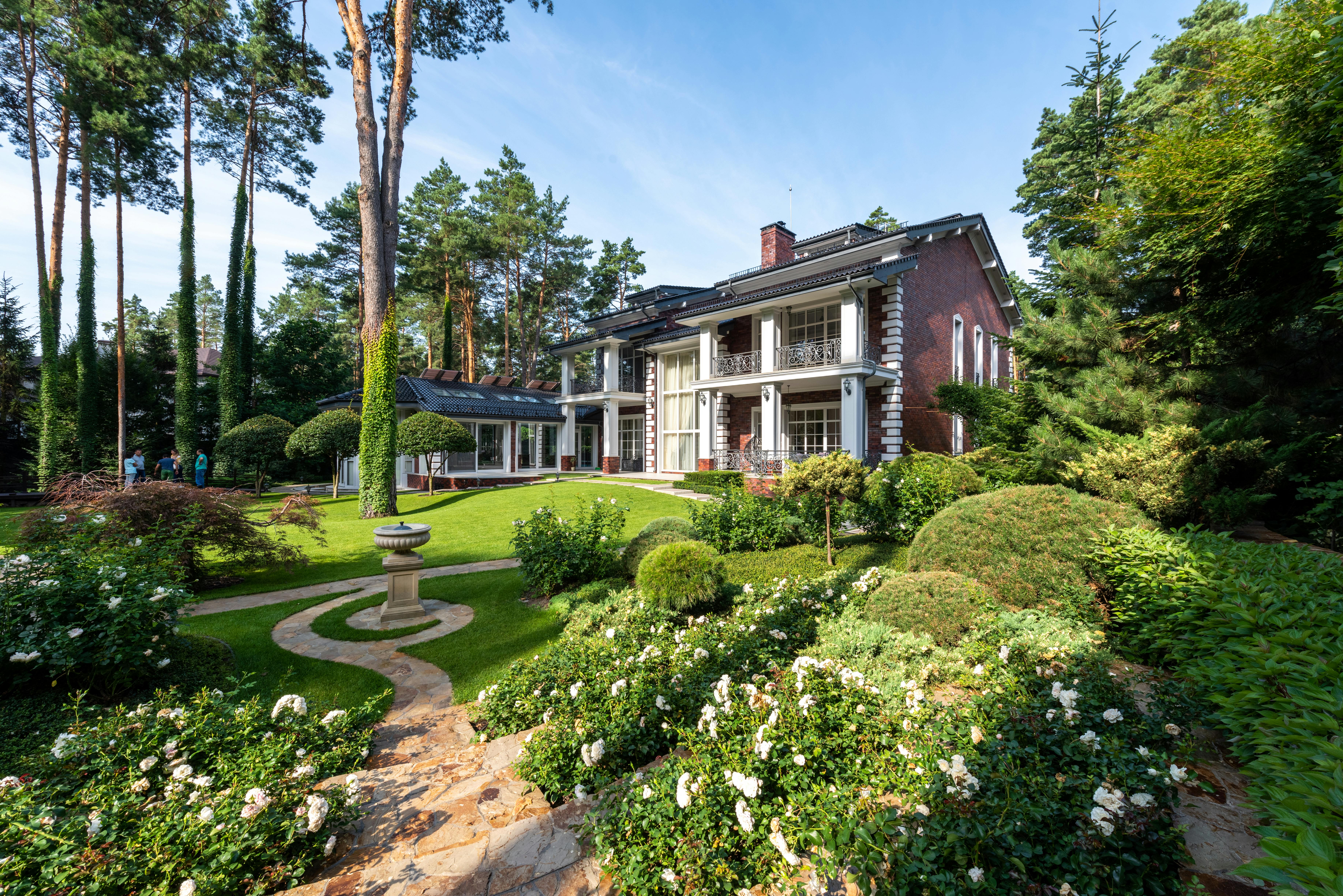
Creating an inviting, functional, and aesthetically pleasing outdoor environment can dramatically enhance the value and enjoyment of any property. Professional garden landscaping services combine horticultural knowledge, design expertise, and construction skill to transform ordinary yards into personalized retreats. By integrating thoughtful plant selections, sustainable practices, and artistic hard-scapes, homeowners can achieve a seamless blend of beauty and practicality that reflects their lifestyle while increasing curb appeal.
Why Invest in Professional Garden Landscaping?
While DIY projects can be rewarding, a professional approach offers several distinct advantages that ensure long-term success:
- Strategic Planning: Experts assess soil conditions, micro-climates, and site orientation to develop a design that thrives year-round.
- Quality Materials: Access to premium plants, durable paving, and custom-fabricated features guarantees durability and visual impact.
- Efficient Execution: Skilled crews manage timelines, permits, and complex installations, reducing the risk of costly errors.
- Maintenance Insight: Ongoing care recommendations are tailored to local conditions, extending the life of the landscape.
Key Elements of a Successful Landscape Design
1. Site Analysis and Concept Development
A thorough site analysis forms the foundation of any effective garden design. This stage includes evaluating sunlight exposure, wind patterns, drainage, and existing vegetation. Once the data is gathered, a concept plan outlines the spatial arrangement of functional zones such as entertaining areas, play zones, and quiet retreats. For deeper insight into the planning process, Discover expert strategies here.
2. Plant Selection and Placement
Choosing the right plant palette is essential for visual harmony and ecological resilience. Considerations include:
- Native species that require less water and support local wildlife.
- Seasonal interest, plants that provide colour, texture, or fragrance throughout the year.
- Height and spread to maintain sightlines and prevent overcrowding.
Guidelines on selecting sustainable flora can be found at Learn about our tailored solutions.
3. Hard-Scaping Features
Hard-scapes create structure and define functional areas. Common elements include patios, pathways, retaining walls, water features, and lighting. When integrated thoughtfully, these components enhance flow and accessibility while adding visual intrigue. For a comprehensive overview of hard-scaping possibilities, Explore advanced guides and tips.
4. Sustainable Practices
Modern landscaping emphasizes environmental stewardship. Sustainable strategies involve:
- Rainwater harvesting systems for irrigation.
- Permeable paving to reduce runoff.
- Mulching to conserve moisture and suppress weeds.
- Organic soil amendments that improve fertility without chemicals.
More information on eco-friendly approaches is available at Find out more about this approach.
Step-by-Step Process for Transforming Your Garden
- Consultation: An initial meeting identifies goals, budget, and timeline.
- Site Survey: Professionals conduct measurements, soil tests, and photogrammetry.
- Design Presentation: Concept sketches, 3D renderings, and material boards are reviewed.
- Implementation: Excavation, planting, hard-scaping, and irrigation are executed by trained crews.
- Final Walk-Through: Adjustments are made, and maintenance guidelines are provided.
Maintenance Strategies for Longevity
Even the most expertly designed garden requires regular care to maintain its health and appearance. Key maintenance practices include:
- Seasonal pruning to promote vigorous growth.
- Soil testing every 2-3 years to adjust pH and nutrient levels.
- Routine irrigation checks to prevent over- or under-watering.
- Cleaning of hard-scape surfaces to prevent algae and moss buildup.
Professional advice on creating a maintenance schedule can be accessed via Discover expert strategies here.
Choosing the Right Landscaping Partner
Selecting a qualified service provider ensures that the vision for the outdoor space is realized with precision. Consider the following criteria when evaluating potential partners:
- Portfolio of completed projects that demonstrate versatility.
- Client testimonials highlighting reliability and communication.
- Clear, itemised quotes that outline all phases of work.
- Certification or membership in professional horticultural organisations.
For examples of reputable work and client feedback, visit Learn about our tailored solutions.
Conclusion
Transforming an outdoor area into a functional, beautiful extension of the home is best achieved through the expertise of seasoned garden landscaping professionals. By leveraging strategic planning, thoughtful plant selection, durable hard-scapes, and sustainable practices, a well-designed landscape offers lasting enjoyment, increased property value, and environmental benefits. For those ready to embark on this journey, partnering with a knowledgeable service that blends creativity with technical skill will ensure that every element, from the first seed to the final stone, contributes to a cohesive and thriving outdoor sanctuary.