
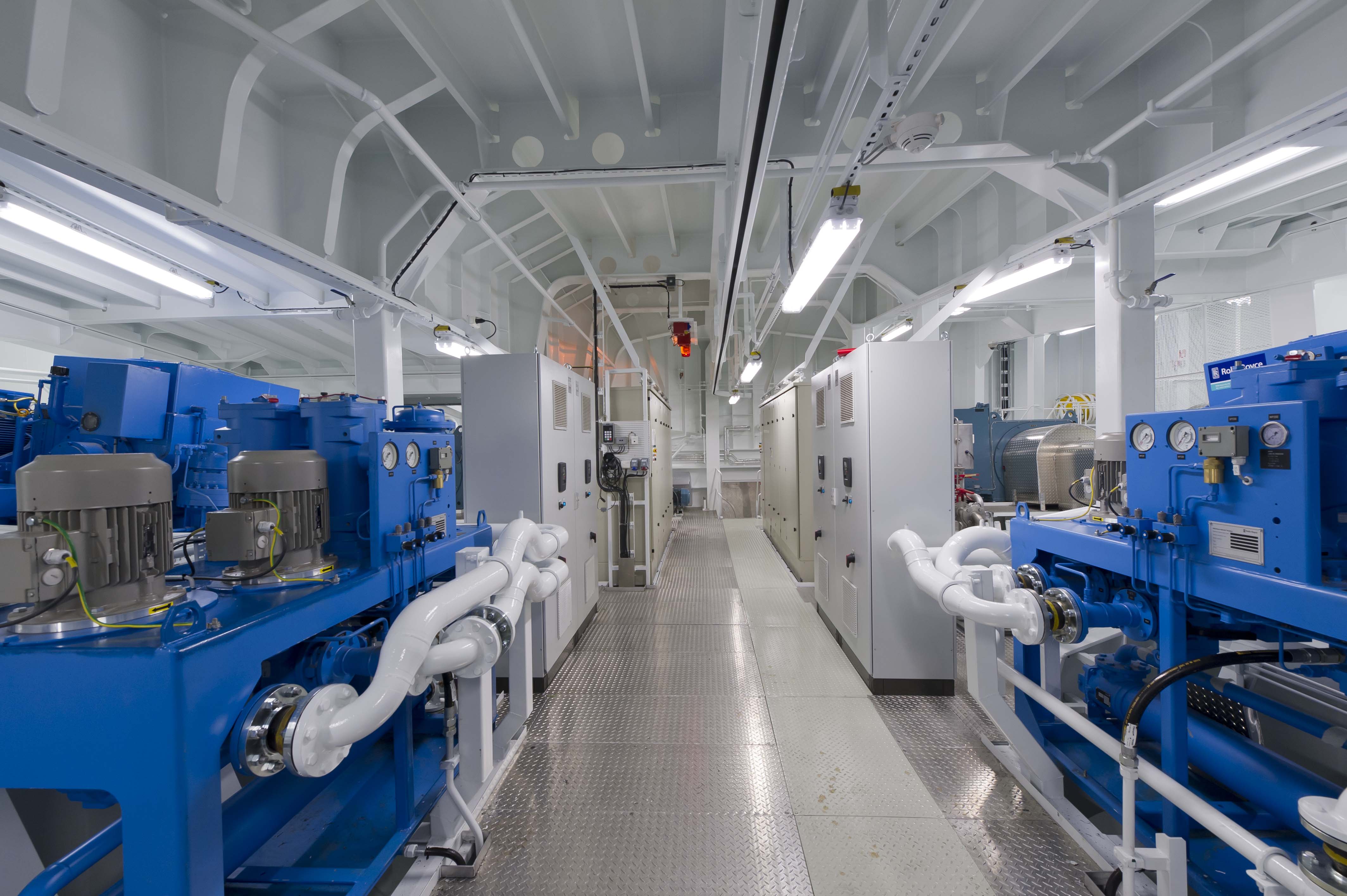
Essential engine room lighting is a critical aspect of safe boat operations. Proper illumination enables crew members to quickly respond to emergencies, navigate through confined spaces, and maintain the overall safety of the vessel. Engine room lighting is a critical system that requires careful consideration and planning to ensure optimal performance. Discover expert strategies here to learn more about designing and implementing efficient engine room lighting systems.
Understanding the Importance of Engine Room Lighting
Engine room lighting is designed to provide adequate illumination for tasks such as maintenance, repair, and inspection. The International Maritime Organization (IMO) and other regulatory bodies establish strict guidelines for engine room lighting to ensure that vessels meet safety standards. Engine room lighting systems must be designed to provide sufficient light levels, minimize glare, and prevent eye strain. Learn about our tailored solutions to find out more about designing engine room lighting systems that meet regulatory requirements.
Types of Engine Room Lighting
Engine room lighting systems can be categorized into several types, including:
- General lighting: Provides overall illumination for the engine room.
- Task lighting: Focuses light on specific tasks or areas.
- Emergency lighting: Provides backup illumination in case of power failure.
- Signaling lighting: Used for communication and navigation.
Design Considerations for Engine Room Lighting
When designing engine room lighting systems, several factors must be considered, including:
- Light levels: Ensure that light levels are adequate for tasks and meet regulatory requirements.
- Color temperature: Choose lighting with a color temperature that minimizes eye strain and improves visibility.
- Energy efficiency: Optimize lighting systems to reduce energy consumption and minimize environmental impact.
- Reliability: Design systems with redundancy and backup power to prevent downtime.
Engine room lighting systems must be designed to withstand harsh marine environments. Exposure to saltwater, humidity, and extreme temperatures can affect lighting performance. To ensure optimal performance, explore advanced guides and tips on designing and maintaining engine room lighting systems.
Maintenance and Inspection of Engine Room Lighting
Regular maintenance and inspection are essential to ensure that engine room lighting systems operate efficiently and safely. Crew members should be trained to inspect and maintain lighting systems, including:
- Checking light levels and adjusting as necessary.
- Cleaning and replacing light fixtures and bulbs.
- Inspecting electrical connections and wiring.
- Performing routine maintenance tasks, such as cleaning and lubricating moving parts.
Engine room lighting systems require careful planning and maintenance to ensure safe boat operations. By following best practices and guidelines, vessel owners and operators can minimize the risk of accidents and ensure compliance with regulatory requirements. Find out more about this approach by visiting a trusted resource for expert advice and guidance.
Conclusion
In conclusion, essential engine room lighting is a critical aspect of safe boat operations. Proper illumination enables crew members to respond quickly to emergencies, navigate through confined spaces, and maintain the overall safety of the vessel. By following best practices and guidelines, vessel owners and operators can minimize the risk of accidents and ensure compliance with regulatory requirements. Discover expert strategies here to learn more about designing and implementing efficient engine room lighting systems.
Explore advanced guides and tips on designing and maintaining engine room lighting systems.