
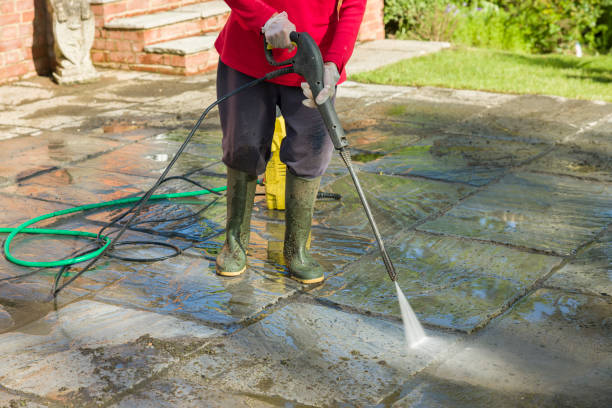
A well-maintained deck not only enhances curb appeal but also extends the lifespan of the timber or composite material. Over time, dirt, algae, mildew, and weather-induced grime infiltrate the surface, creating slippery conditions and accelerating decay. Pressure cleaning, when performed correctly, removes these contaminants without damaging the underlying wood, restoring the deck’s natural beauty and structural integrity. This guide outlines the essential steps, safety measures, and best-practice techniques that enable homeowners to achieve professional-grade results while protecting their investment.
Why Professional-Grade Pressure Cleaning Matters
The effectiveness of a pressure wash depends on more than just raw power. Selecting the appropriate pressure level, nozzle type, and cleaning solution ensures that the deck is thoroughly cleaned without gouging or splintering the wood fibers. Improper use can lead to uneven wear, water intrusion, and premature rot. By following proven industry standards, many of which are detailed on reputable service sites, homeowners can replicate the quality of a specialist job. For deeper insight into advanced cleaning methods, Explore advanced guides and tips.
Preparing the Deck for Cleaning
Preparation is the foundation of a successful cleaning session. Skipping this stage often results in missed spots, uneven pressure distribution, or unnecessary damage.
- Clear the area: Remove all furniture, planters, and loose items. Sweep away debris such as leaves and twigs.
- Inspect for damage: Identify loose boards, protruding nails, or rot. Repair these issues before applying pressure to avoid worsening the condition.
- Protect surrounding vegetation: Cover nearby plants with tarps and use a low-pressure rinse to prevent runoff damage.
- Choose the right cleaning solution: Mild, biodegradable detergents work best for most decks. For stubborn stains, a specialized deck cleaner may be required.
For a detailed checklist of pre-cleaning tasks, Discover expert strategies here.
Executing the Pressure Cleaning Process
Selecting Equipment and Settings
A pressure washer ranging from 1,500 to 2,500 PSI is typically sufficient for residential decks. Higher pressures can strip wood grain, while lower pressures may not remove deep-set grime. Pair the machine with a 25-degree nozzle for a balanced spray pattern and adjust the flow rate to maintain a consistent, controlled stream.
Step-by-Step Technique
- Pre-wet the surface: Apply water at a low pressure to saturate the deck, which helps the cleaning solution penetrate.
- Apply detergent: Using a foam cannon or spray bottle, distribute the chosen cleaner evenly. Allow it to dwell for 5-10 minutes, but do not let it dry.
- Rinse with medium pressure: Move the wand in long, overlapping strokes, keeping the nozzle at least 12 inches from the wood. Work with the grain to avoid lifting fibers.
- Spot-treat stubborn areas: For lingering stains, increase the pressure slightly and focus on the affected spot, then rinse immediately.
- Final rinse: Conduct a thorough, low-pressure rinse to remove any residual detergent.
A comprehensive walkthrough of equipment selection and technique nuances can be found at Learn about our tailored solutions.
Safety Considerations
Pressure cleaning involves high-velocity water, which poses risks if mishandled. Follow these precautions to protect both the operator and the property:
- Wear protective gear: safety glasses, non-slip boots, and gloves.
- Never point the nozzle at people, pets, or electrical outlets.
- Test the pressure on a hidden section of the deck before full-scale application.
- Keep the power cord and hose away from walkways to prevent tripping.
For additional safety guidelines and best-practice recommendations, Find out more about this approach.
Post-Cleaning Maintenance Tips
A clean deck is more resilient, but regular upkeep preserves its appearance and prevents future buildup.
- Apply a protective sealant: Once the deck is completely dry (typically 24-48″?hours), apply a high-quality sealant to guard against moisture and UV damage.
- Schedule routine cleaning: Light sweeping and occasional low-pressure rinses every 3-4″?months keep grime from embedding.
- Address spills promptly: Remove oil, wine, or other stains as soon as they occur to avoid deep penetration.
- Inspect annually: Conduct a yearly inspection for signs of wear, and repeat pressure cleaning as needed, generally every 1-2″?years depending on exposure.
For a deeper dive into long-term deck care strategies, Explore advanced guides and tips.
Conclusion
Expert deck pressure cleaning combines precise equipment selection, meticulous preparation, and disciplined execution. By adhering to the outlined steps and safety protocols, homeowners can achieve a pristine, slip-resistant surface that enhances both aesthetic appeal and structural durability. Regular maintenance, coupled with occasional professional-grade cleaning, ensures the deck remains a welcoming outdoor space for years to come. For further resources and specialized advice, the referenced service site offers a wealth of information tailored to residential deck care.