
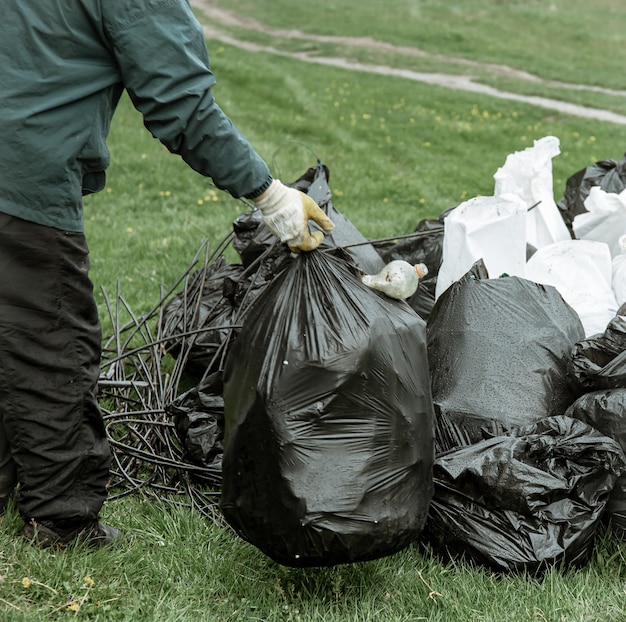
Industrial waste management is a critical component in maintaining environmental safety and compliance. As industries grow, so does the volume and complexity of waste they produce. Industrial waste removal solutions require specialized knowledge and expertise to handle the varied types of waste effectively, ensuring minimal environmental impact and regulatory compliance. This article explores the best practices in industrial waste disposal, highlighting the importance of expert solutions and offering insights into how businesses can manage their waste responsibly and efficiently.
Understanding Industrial Waste
Industrial waste encompasses a wide range of materials that are produced by manufacturing, mining, and other industrial processes. This waste can be hazardous or non-hazardous and includes:
- Chemical waste
- Scrap metals
- Packaging materials
- Sludge and slurry
- Construction and demolition debris
Proper management of these materials is essential to prevent pollution and harm to human health. For those looking to delve deeper into waste management strategies, discover expert strategies here.
Key Strategies for Effective Waste Removal
Segregation and Recycling
Segregation is the first step in managing industrial waste. By separating waste at the source, companies can ensure that recyclable materials are processed appropriately, minimizing landfill use. Recycling not only helps in reducing the environmental impact but also can be economically beneficial. Learn about our tailored solutions for implementing effective segregation and recycling practices.
Hazardous Waste Management
Handling hazardous waste demands a high level of expertise due to its potential to cause significant harm. Specialized containment and disposal methods are crucial, and adherence to stringent regulations is mandatory. Businesses are encouraged to find out more about this approach to ensure compliance and safety.
Innovative Disposal Techniques
The advent of technology has introduced innovative disposal techniques such as thermal treatment and chemical neutralization, which offer safer and more efficient waste management solutions. These methods help in reducing the environmental footprint and convert waste into energy, supporting sustainability goals. For more detailed insights into these techniques, explore advanced guides and tips.
Compliance and Environmental Responsibility
Adhering to local and international regulations is not just a legal obligation but also a moral one. Compliance ensures that companies play their part in protecting the environment. Regular audits and training can help in maintaining high standards of waste management. Companies are encouraged to stay updated with the latest regulations and best practices to remain compliant.
- Regular waste audits
- Employee training and awareness programs
- Engagement with certified waste management services
For businesses seeking to enhance their waste management strategies, it is recommended to discover expert strategies here.
Conclusion
Industrial waste removal is a complex yet essential aspect of modern business operations. By implementing expert solutions and staying informed about the latest waste management practices, businesses can ensure compliance, enhance sustainability, and contribute positively to environmental protection. Whether through segregation, recycling, or adopting innovative disposal techniques, every step towards efficient waste management is a step towards a healthier planet. For further information on industrial waste management practices, explore advanced guides and tips.