
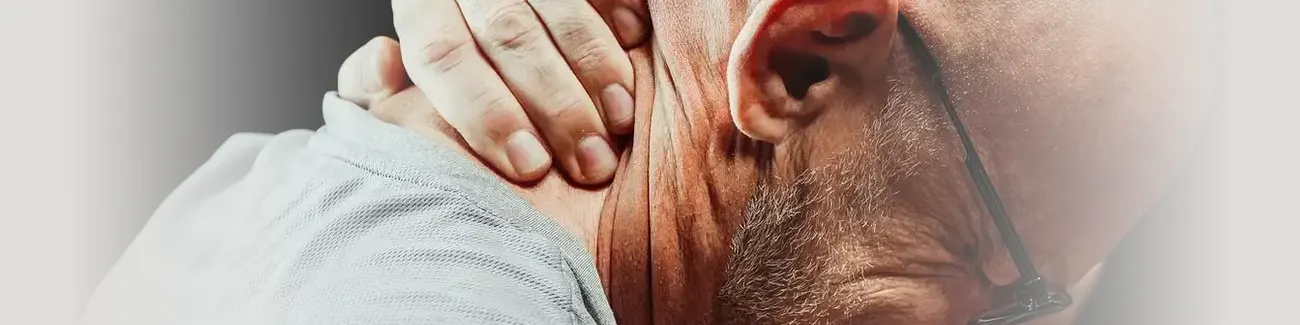
Neck discomfort is a common complaint among residents of coastal communities, where active lifestyles and prolonged screen time often combine to strain the cervical spine. Understanding the underlying causes, recognizing early warning signs, and accessing effective relief strategies can dramatically improve quality of life. This article explores practical approaches to managing neck pain in Newport Beach, offering evidence-based tips that put relief within easy reach.
Understanding Neck Pain: Causes and Risk Factors
The cervical region is a complex structure of vertebrae, discs, muscles, ligaments, and nerves. When any component is compromised, pain can radiate to the shoulders, upper back, or even the arms. Common contributors include:
- Poor posture from prolonged desk work or mobile device use.
- Repetitive motions such as surfing, paddle-boarding, or cycling.
- Degenerative changes like osteoarthritis or disc degeneration.
- Acute injuries from sports, car accidents, or falls.
- Stress-induced muscle tension.
Identifying the specific trigger is the first step toward targeted treatment. For many locals, a combination of posture-related strain and occasional sports-related micro-trauma creates a chronic cycle of discomfort.
When to Seek Professional Help
While mild stiffness often resolves with self-care, certain red-flag symptoms warrant prompt evaluation by a qualified specialist. Look for:
- Persistent pain lasting more than two weeks despite rest.
- Numbness, tingling, or weakness in the arms or hands.
- Sudden loss of balance or coordination.
- Severe headache accompanied by neck rigidity.
- Fever or unexplained weight loss.
If any of these signs appear, consider consulting a spine-focused clinician. Resources such as Neck pain newport beach provide directories of specialists experienced in cervical care.
Evidence-Based Self-Care Strategies
Posture Optimization
Maintaining a neutral spine reduces load on cervical discs and muscles. Tips include:
- Align ears over shoulders when seated.
- Use an ergonomic chair with lumbar support.
- Position computer monitors at eye level.
- Take a 1-minute micro-break every 30 minutes to stretch.
Targeted Stretching and Strengthening
Gentle mobility work can restore range of motion and alleviate muscle tightness. Recommended exercises:
- Chin-tucks: gently draw the chin toward the throat, holding for 5 seconds.
- Upper-trapezius stretch: tilt the head away from the shoulder while gently pulling the opposite side of the head with the hand.
- Scapular retractions: squeeze shoulder blades together for 10-second intervals.
- Isometric neck extensions: press the forehead into the palm without moving the head.
Heat, Ice, and Manual Therapy
Applying heat for 15-20 minutes can relax tight muscles, while ice for 10 minutes reduces acute inflammation. Professional manual therapy, such as spinal mobilization, soft-tissue massage, or trigger-point release, offers deeper relief and is often incorporated into a comprehensive plan.
Integrative Treatment Options in Newport Beach
Beyond self-care, several modalities have demonstrated efficacy for cervical discomfort:
- Physical therapy: individualized programs focusing on mobility, strength, and neuromuscular control.
- Chiropractic adjustments: precise spinal manipulations that restore joint alignment.
- Acupuncture: needle-based stimulation that modulates pain pathways.
- Massage therapy: targeted soft-tissue work to release myofascial restrictions.
- Regenerative injections (e.g., PRP): emerging options for chronic tendon or disc issues.
Local providers often combine these approaches for a multimodal plan. For a curated list of specialists, explore Neck pain newport beach and select a practitioner whose expertise aligns with personal health goals.
Lifestyle Adjustments for Long-Term Relief
Consistent habits support cervical health and prevent recurrence:
- Stay active: low-impact cardio (swimming, walking) promotes circulation without overloading the neck.
- Hydration: adequate fluid intake maintains disc hydration.
- Sleep hygiene: use a pillow that supports the natural curve of the neck; avoid overly firm or flat surfaces.
- Stress management: mindfulness, deep-breathing, or yoga can reduce muscle tension.
Conclusion
Neck pain need not be a permanent companion for those living in Newport Beach. By recognizing risk factors, employing evidence-based self-care, and seeking skilled professional assistance when necessary, relief becomes attainable. The combination of proper posture, regular movement, and targeted therapeutic interventions creates a sustainable pathway to a pain-free, active lifestyle.