
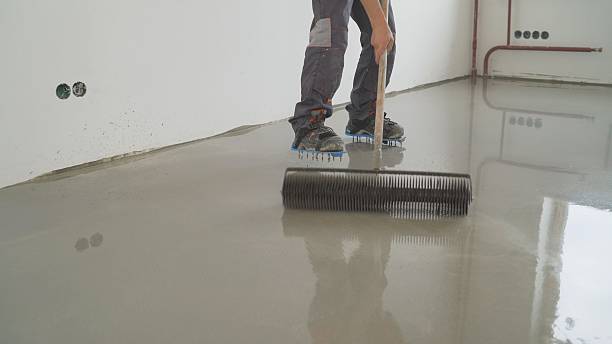
Concrete floors are the backbone of many commercial, industrial, and residential spaces, providing durability, safety, and a clean aesthetic. However, raw concrete can be porous, prone to staining, and uncomfortable underfoot. Premium concrete floor coating services transform these surfaces into high-performance assets that resist wear, enhance appearance, and extend the life of the substrate. Whether the project involves a bustling warehouse, a sleek retail showroom, or a residential garage, the right coating system addresses specific functional demands while delivering a polished finish.
Why Choose a Professional Coating System?
Investing in a high-quality coating goes beyond simple decoration. It creates a protective barrier that:
- Prevents moisture intrusion and chemical spills.
- Improves slip resistance for safety compliance.
- Reduces dust generation and maintenance costs.
- Enhances light reflectivity, lowering energy consumption.
- Provides a customizable aesthetic that aligns with branding.
For detailed guidance on selecting the most suitable system, Discover expert strategies here.
Key Types of Concrete Floor Coatings
Epoxy Coatings
Epoxy is the industry standard for high-traffic areas. Its two-component formulation creates a hard, chemical-resistant surface that can withstand heavy equipment and frequent cleaning.
- Ideal for warehouses, manufacturing plants, and garages.
- Available in a range of colors and decorative flakes.
- Can be combined with anti-static additives for electronic environments.
Polyurea and Polyurethane Systems
These coatings cure rapidly and retain flexibility, making them perfect for environments subject to temperature fluctuations or impact loads.
- Fast cure times (often within hours).
- Excellent UV resistance for outdoor applications.
- Superior elongation to prevent cracking.
To explore the benefits of flexible systems, Explore advanced guides and tips.
Polished Concrete
Polished concrete eliminates the need for a separate coating by grinding and densifying the surface to a high gloss. It offers a sleek, low-maintenance finish that is both eco-friendly and cost-effective.
- Great for retail, office lobbies, and hospitality venues.
- Reduces VOC emissions compared with traditional coatings.
- Can be sealed with impregnating agents for added stain resistance.
Assessing Project Requirements
Before selecting a coating, a thorough evaluation of the space is essential. Consider the following factors:
- Traffic Load: Light foot traffic vs. heavy machinery.
- Chemical Exposure: Presence of oils, solvents, or corrosive substances.
- Environmental Conditions: Temperature ranges, humidity, and UV exposure.
- Design Intent: Desired color, sheen, and branding alignment.
- Budget & Timeline: Cost constraints and project deadlines.
For a step-by-step assessment framework, Learn about our tailored solutions.
Preparation: The Foundation of Success
Proper surface preparation is the most critical phase. Skipping or rushing this step leads to premature failure, regardless of coating quality.
- Cleaning: Remove dust, oil, and debris using detergents or solvent cleaners.
- Repair: Fill cracks and pits with epoxy patching compounds.
- Profiling: Mechanical grinding or shot blasting creates a rough texture for optimal adhesion.
- Moisture Testing: Conduct calcium chloride or relative humidity tests to ensure the slab is dry.
Detailed preparation protocols are outlined in the guide available at Find out more about this approach.
Application Process Overview
Professional installers follow a systematic sequence to guarantee uniform coverage and durability:
- Prime the surface with a compatible bonding agent.
- Apply the first coat (often a base epoxy) and allow proper flash time.
- Roll or spray subsequent layers, incorporating decorative flakes or color chips if desired.
- Finish with a topcoat that provides UV protection and slip resistance.
- Allow curing according to manufacturer specifications before traffic is re-introduced.
Maintenance and Longevity
Even the most robust coating benefits from routine care. A proactive maintenance plan extends service life and preserves appearance.
- Regular sweeping and mopping with pH-neutral cleaners.
- Prompt removal of spills to prevent staining.
- Annual inspections for wear, especially in high-traffic zones.
- Re-application of a thin protective layer every 3-5 years for heavily used areas.
Choosing the Right Service Provider
When evaluating contractors, prioritize experience, certifications, and a portfolio that reflects a range of applications. Transparent communication, detailed proposals, and adherence to safety standards are hallmarks of a reliable partner.
For additional criteria and a checklist of qualifications, Discover expert strategies here.
Conclusion
Premium concrete floor coating services deliver functional resilience and visual impact across diverse environments. By understanding coating types, assessing project demands, emphasizing meticulous preparation, and committing to ongoing maintenance, facility managers can achieve floors that perform reliably for years. Leveraging seasoned expertise ensures that each coating system is applied correctly, maximizes return on investment, and aligns with the aesthetic goals of any space.